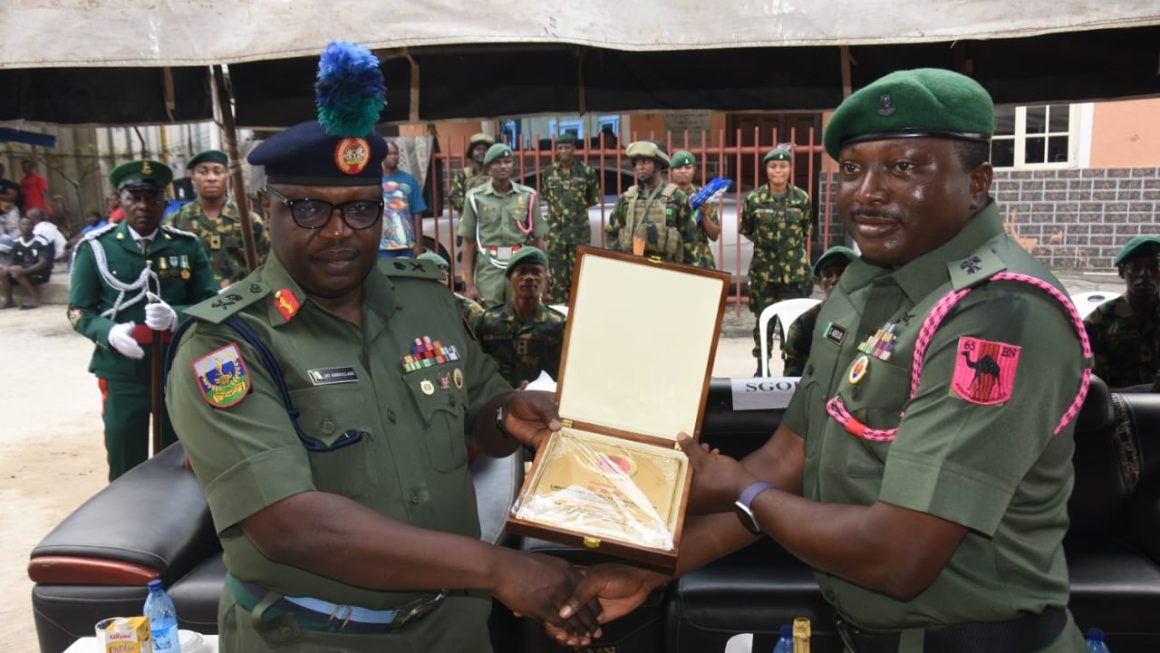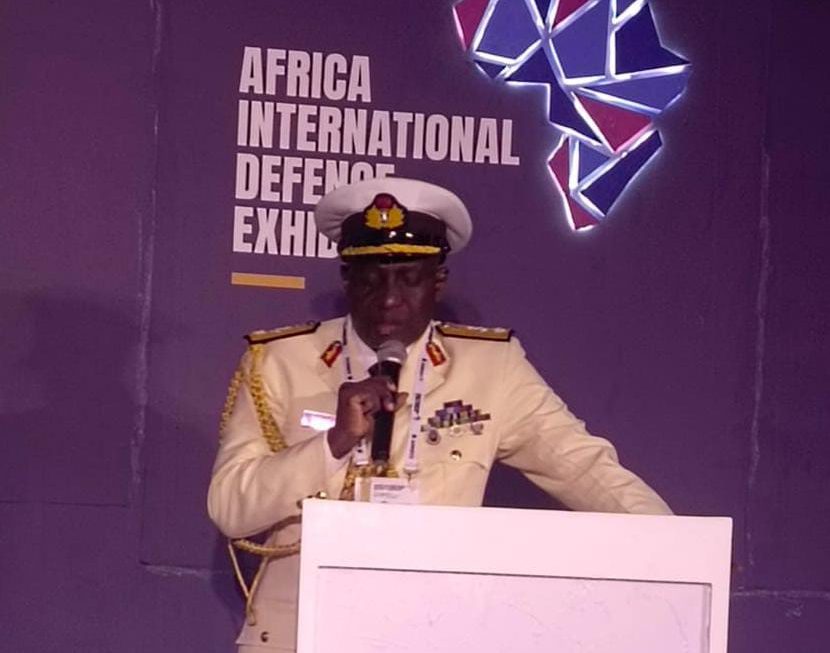







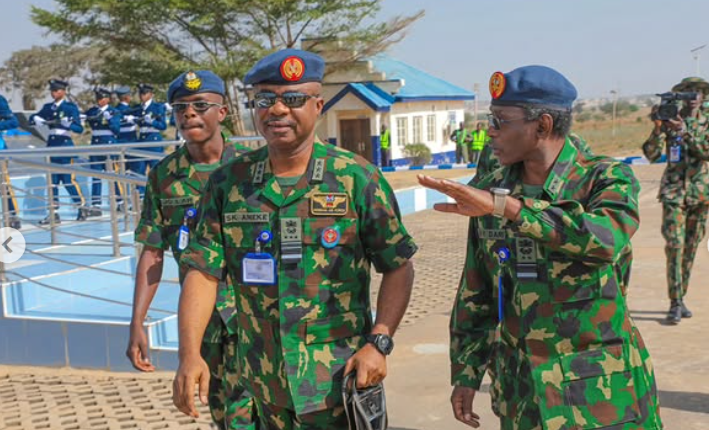
The Chief of the Air Staff (CAS), Air Marshal Sunday Kelvin Aneke, has reaffirmed the Nigerian Air Force’s commitment to counter-insurgency operations, internal security and the protection of lives and property during his maiden operational visit to the Air Training Command (ATC) and co-located units in Kaduna.
The visit, which took place on 18 December 2025, featured a durbar with officers and airmen, where the CAS described Kaduna as a strategic hub in both the history and future of the Nigerian Air Force (NAF).
Addressing personnel, Air Marshal Aneke said the engagement was significant both professionally and personally, noting that Kaduna occupies a special place in the evolution of the Service and in his own career. He explained that the durbar provided an avenue for direct interaction, honest dialogue and a reaffirmation of shared responsibility to the mission and core values of the NAF.
Earlier, the Air Officer Commanding Air Training Command, Air Vice Marshal Yusuf Dari, presented a detailed briefing on the Command’s mandate, training activities, achievements and challenges. He highlighted the central role of the ATC in sustaining operational effectiveness across the NAF, stressing that the quality of air operations is directly linked to the standard of training, maintenance and support delivered by the Command.
According to him, ongoing efforts are being made to strengthen training capacity and align outputs with evolving operational requirements to meet contemporary security challenges.
As part of the visit, the CAS toured and inspected units and facilities within the Command to gain first-hand insight into operational needs. He also commissioned selected building projects designed to improve training infrastructure and enhance the welfare of personnel.
Reiterating his Command Philosophy, Air Marshal Aneke said it was not merely a slogan but a practical framework meant to guide decision-making, planning, training and conduct at all levels of command. He emphasised that the effectiveness of NAF operations depends on the strength of its training and sustainment systems.
The CAS further noted that Nigeria’s current security threats require sustained pressure, intelligent operations and effective leadership at every level to ensure lasting peace and stability.