
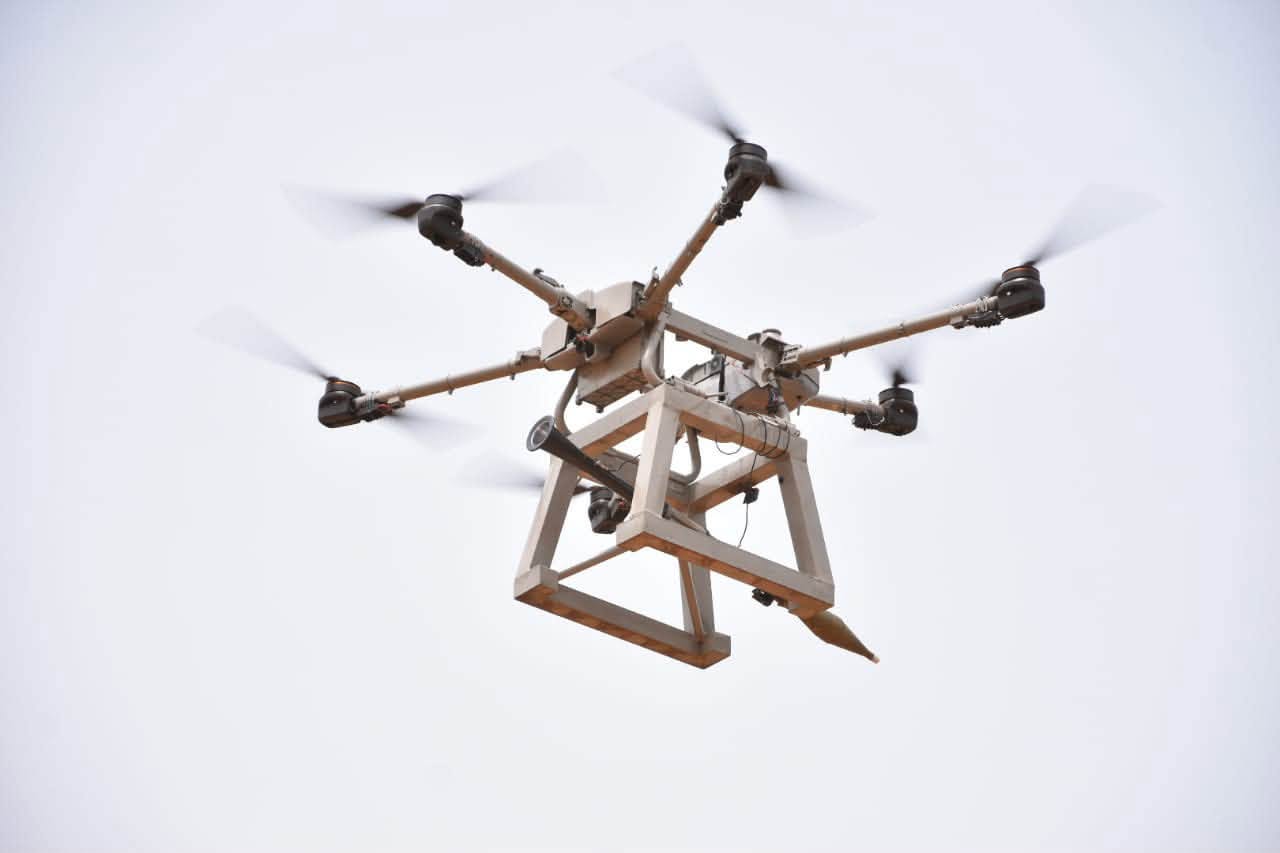
The Nigerian Army has intensified efforts to develop indigenous military technology and reduce dependence on foreign equipment, as it subjected locally developed hardware and software prototypes to field testing in Kaduna State.
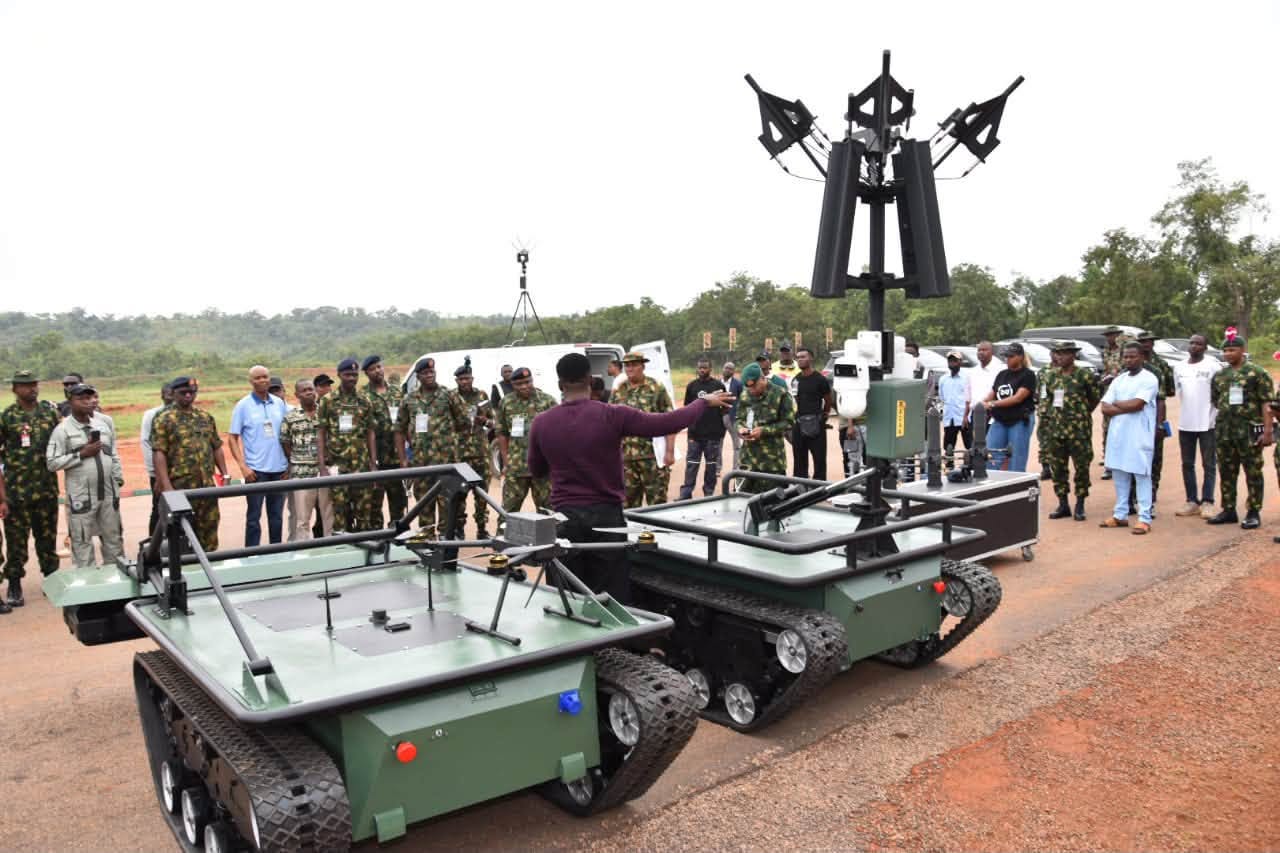
The exercise, held recently at the Jaji Military Cantonment Range, brought together military institutions, researchers and private-sector technology companies to assess the suitability of locally developed products for military operations.
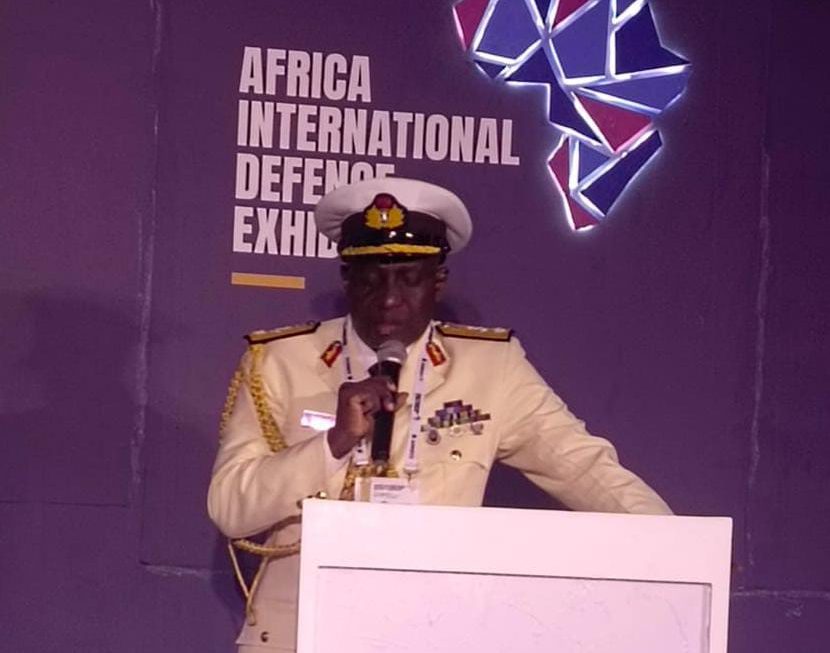
The Chief of Army Staff (COAS), Lieutenant General Waidi Shaibu, said the initiative was part of efforts to strengthen logistics, maintenance, equipment support and sustainment systems under his command philosophy.
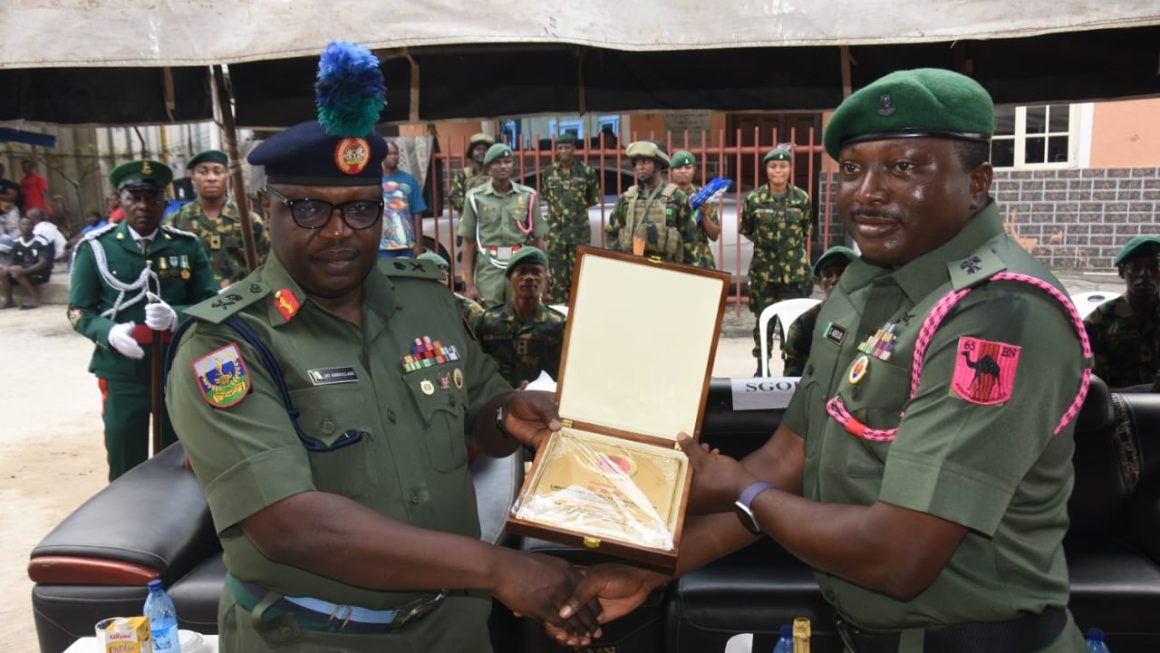
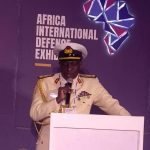
Shaibu, who was represented at the opening ceremony by the Commander, Infantry Corps, Major General G.M. Mutkut, said the practical evaluation of the prototypes was an important step towards translating innovative ideas into solutions that could address the operational needs of the Nigerian Army.
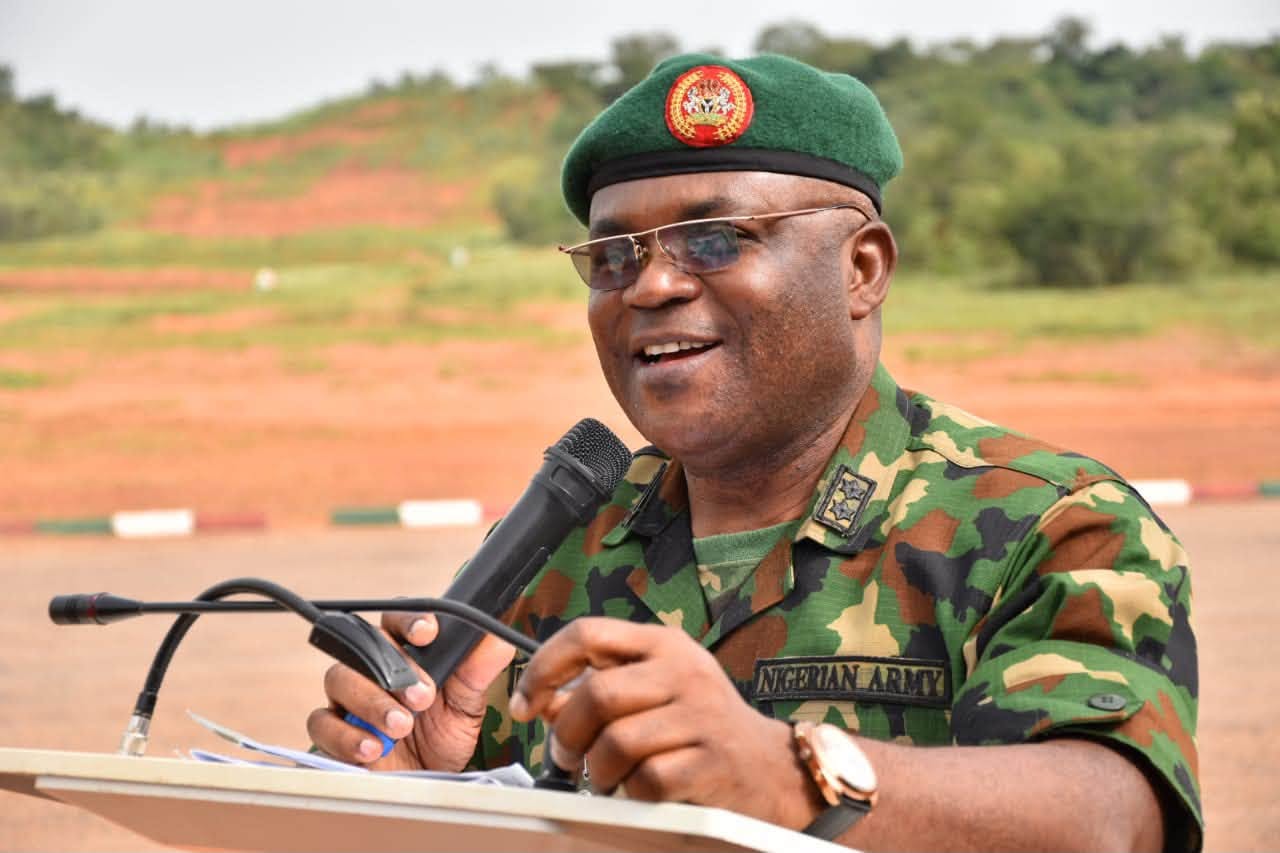
He explained that indigenous research and technological innovation remained critical to closing capability gaps, improving equipment support systems and reducing reliance on external sources.
According to the Army Chief, the field testing was designed to determine the functionality, effectiveness and compliance of the prototypes with the standards required for military deployment.
He said the expectation was that the exercise would produce more dependable equipment, minimise operational deficiencies and improve the Army’s capacity to develop and adopt home-grown technological solutions.
Shaibu charged the assessment team to maintain professionalism and objectivity throughout the process, stressing the importance of credible findings in determining the suitability of the products for military use.
He also acknowledged President Bola Ahmed Tinubu, the Commander-in-Chief of the Armed Forces, for his strategic guidance and continued support for the Nigerian Army.
Earlier, the Chief of Transformation and Innovation, Army, Major General P.O.A. Okoye, described the exercise as a major step in the service’s efforts to strengthen research and development, innovation and indigenous capabilities.
Okoye said the field tests would help identify technical shortcomings, address operational challenges and provide opportunities for necessary adjustments before the prototypes could be considered for wider application.
He added that the involvement of end-users was particularly important because their direct interaction with the products would generate practical feedback to guide further development and refinement.
The Army’s Chief of Transformation and Innovation urged researchers and evaluators to ensure that their assessments were accurate and impartial, noting that the results would support informed decisions on the development and possible adoption of the technologies.
Also speaking, the Deputy Chief of Transformation and Innovation, Brigadier General H.I. Dasuki, observed that military organisations around the world had pursued varying levels of self-sufficiency in producing military hardware.
He encouraged military and civilian research institutions to take advantage of the initiative to expand their technical knowledge and contribute to the development of locally manufactured military equipment.
Participants presented products developed by several Nigerian Army institutions and commands, including the Nigerian Defence Academy, Signals Maintenance Command, Engineers, Corps of Supply and Transport, College of Electrical and Mechanical Engineering, and College of Environmental Science and Technology.
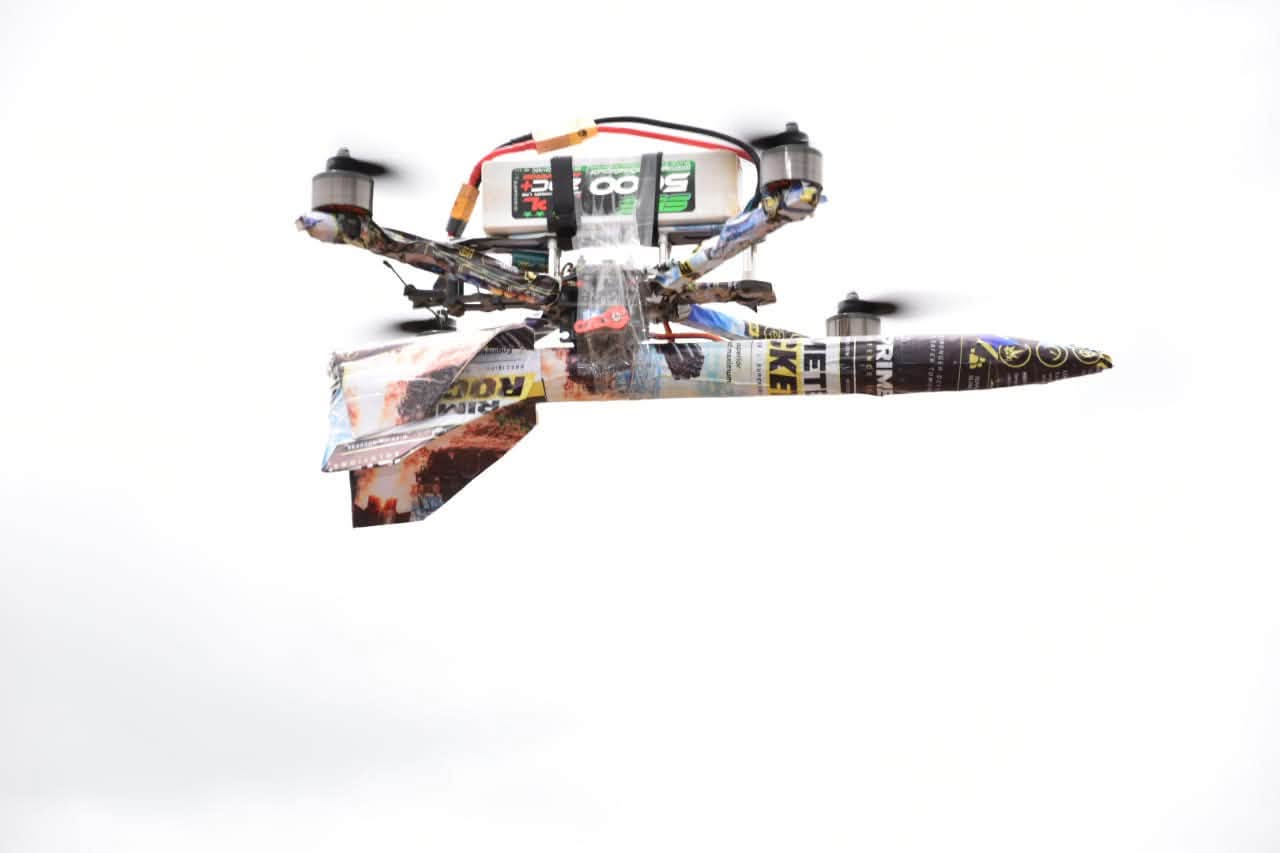
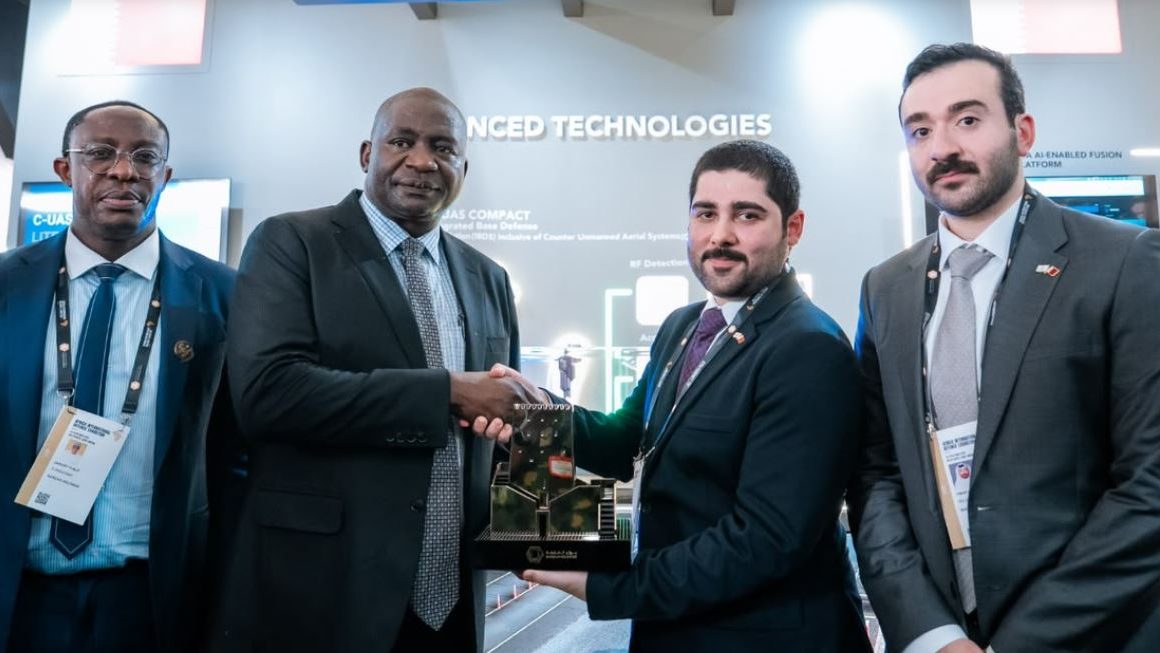
Private-sector companies involved in the exercise included PRIMETEK Multi-business Solutions, PROFORCE Limited, Tera Haptic Industries and DICON Gray Insignia.
The assessment also covered indigenous military software products, which were tested at the Nigerian Army Space Command in Giri, Abuja.
Corps commanders, commandants of Nigerian Army institutions, serving senior officers and retired military officers attended the exercise.
The initiative highlights the Army’s growing emphasis on research, collaboration with local innovators and the practical assessment of home-grown technologies as part of efforts to strengthen its equipment base and operational readiness.