




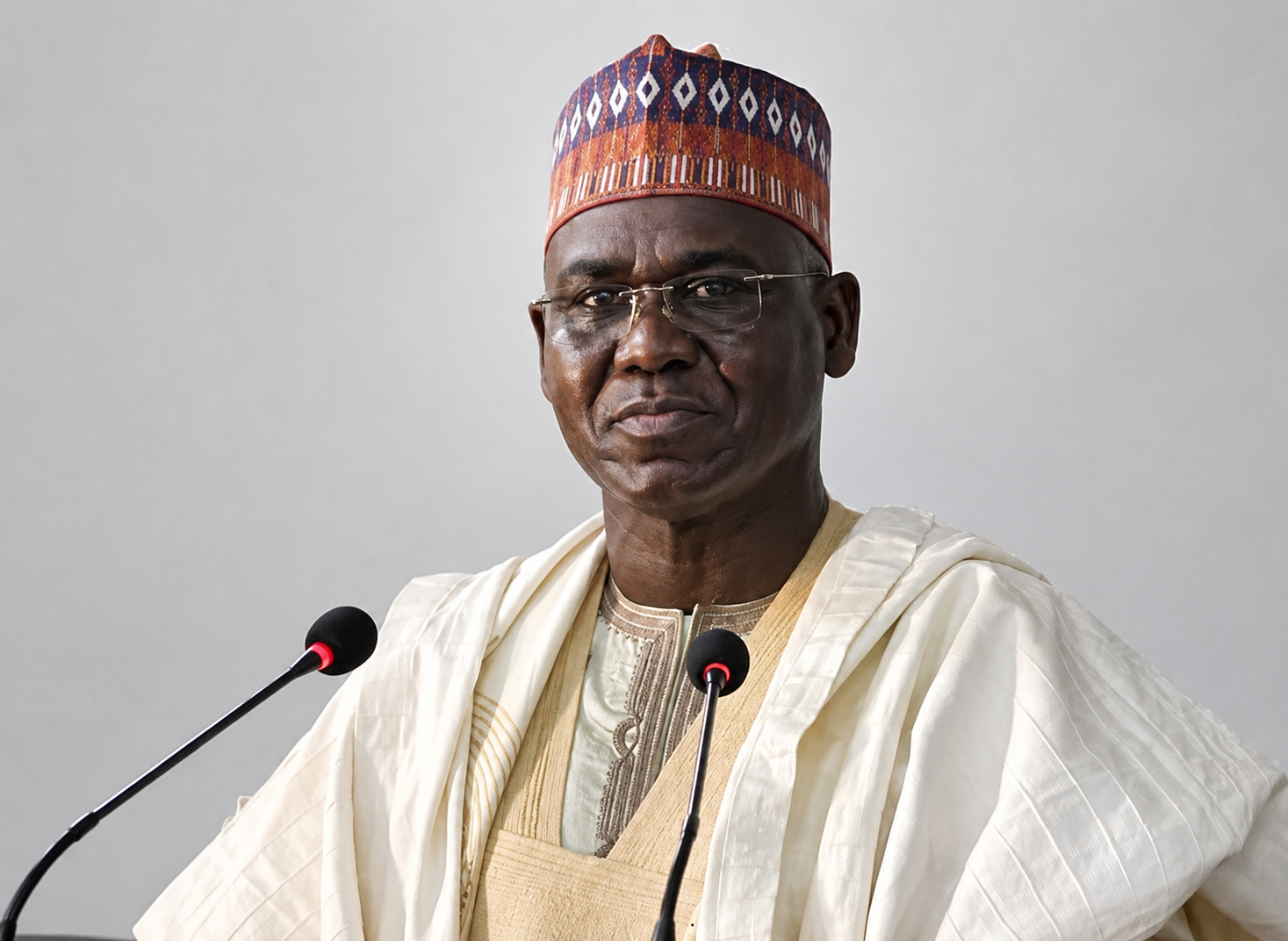
Former Chief of Army Staff, Lt. Gen. Tukur Buratai (retd.), has denied allegations of misappropriating the $1bn approved for military equipment procurement during his tenure, insisting that the funds were released directly to the Ministry of Defence and never passed through his hands or the accounts of the armed forces.
Buratai described the allegations as “political and malicious,” claiming that the controversy emerged during the 2019 general election, when opposition figures alleged that the money had been diverted for electoral purposes.
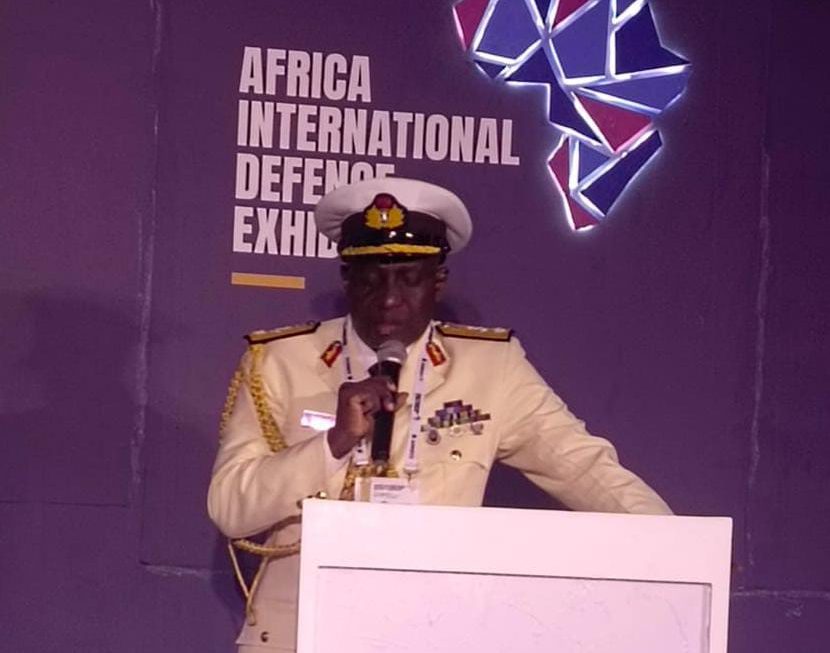
The retired general spoke on Monday at a conference organised by the Defence Correspondents Association of Nigeria in Abuja, where he called for greater transparency in military procurement and accountability from institutions responsible for managing defence funds.
According to him, the National Economic Council approved the $1bn for defence procurement, but the Ministry of Defence handled the funds and the procurement process.
“The $1 billion was approved by the National Economic Council for defence procurement. Not a single dollar of that fund passed through my hands or through the accounts of the Nigerian Army, Navy, or Air Force,” he said.
Buratai argued that allegations against him and other service chiefs had wrongly focused on military officers rather than the institution responsible for administering the funds and awarding contracts.
He maintained that the Army, Navy and Air Force did not directly receive the money or issue procurement directives under the arrangement, insisting that the Ministry of Defence should explain how the funds were spent.
The former army chief said the Federal Government had publicly rejected the allegations when they first surfaced but regretted that the controversy had continued because of what he described as inadequate explanations concerning the disbursement of the funds and the award of contracts.
“Accountability must be properly located,” he said, urging the ministry to provide the necessary information to clarify the procurement process.
To strengthen public confidence in military spending, Buratai proposed the establishment of a Defence Procurement Transparency Portal through which information on contracts, contractors and delivery timelines could be published, subject to national security considerations.
He said such a platform would enable Nigerians to obtain credible information about defence expenditure and help prevent allegations from being directed at officials who were not responsible for handling the funds.
“When the media asks where the money went, the answer should come from the ministry that spent it, not from military officers who never touched it,” he said.
Buratai also advocated the publication of quarterly accountability bulletins on court-martial proceedings involving alleged human rights violations and operational misconduct.
He said such disclosures should be handled carefully to protect the rights of accused personnel and prevent the release of information that could compromise ongoing military operations.
Addressing allegations of human rights abuses by security personnel, the retired army chief said credible complaints should be investigated and prosecuted where sufficient evidence existed.
“The military is not above the law,” he declared, stressing the need for disciplinary mechanisms that were credible, transparent and capable of addressing misconduct at all levels.
He added that accountability within the military was necessary to sustain public trust and reinforce professionalism among personnel.
The former Chief of Army Staff further called for improved communication among the military, the Ministry of Defence and the media, arguing that timely and clear explanations of security operations would help journalists report military activities more accurately.
He said better communication would also enable the public to understand the context of security operations and reduce speculation surrounding military decisions and expenditure.
Buratai’s remarks place renewed emphasis on questions surrounding the administration of defence procurement funds and the need for clear institutional responsibility in managing public resources.
However, his denial represents his account of the controversy, while the ministry’s explanation of the fund’s disbursement and procurement process would be necessary to establish a fuller public record of how the money was utilised.