
By Philip Nwosu
President Bola Tinubu has called African military chiefs to strengthen intelligence sharing, joint training and cross-border military cooperation to tackle the growing security threats confronting the continent.
Tinubu said African countries must move beyond declarations and translate commitments into practical measures capable of improving military readiness and enabling security forces to operate more effectively across national borders.
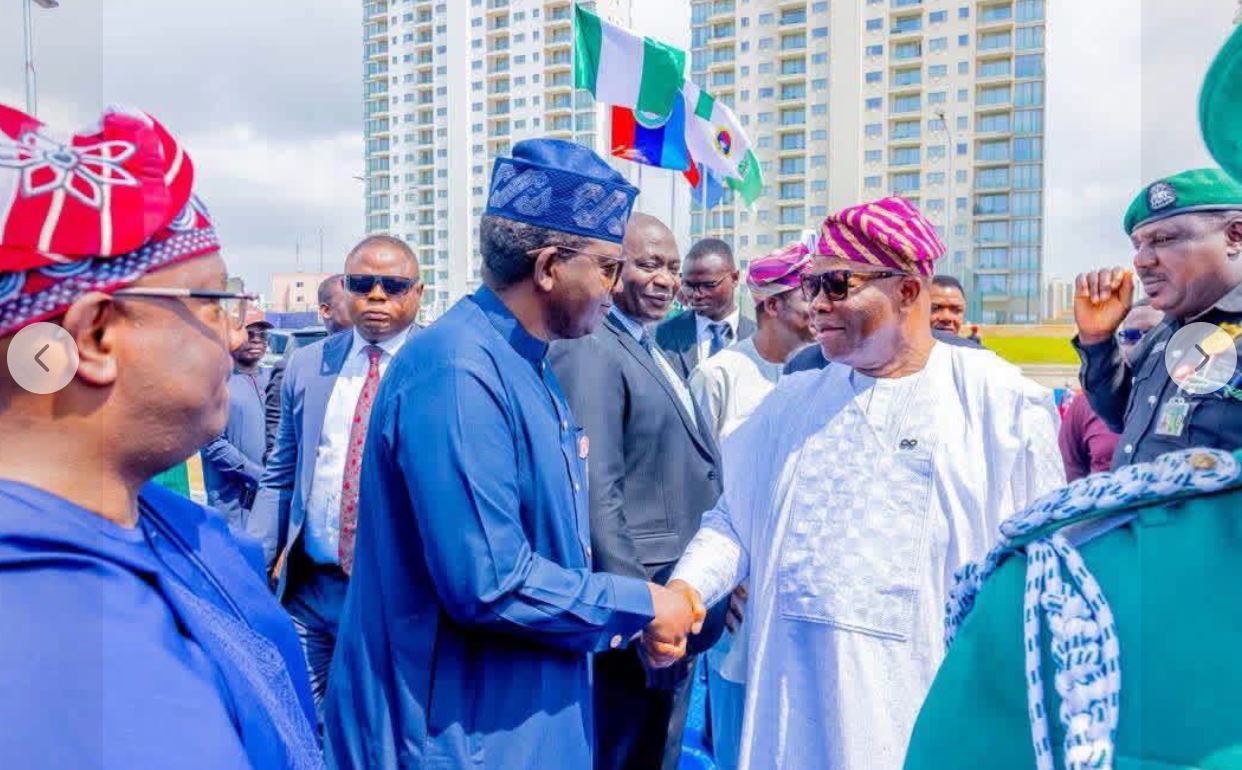
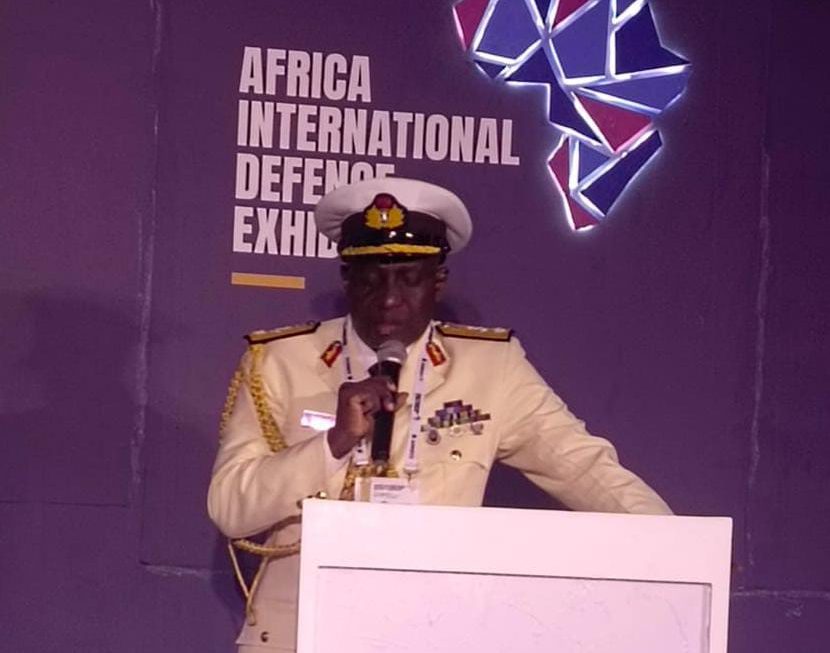
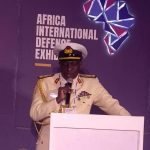
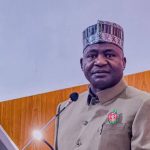
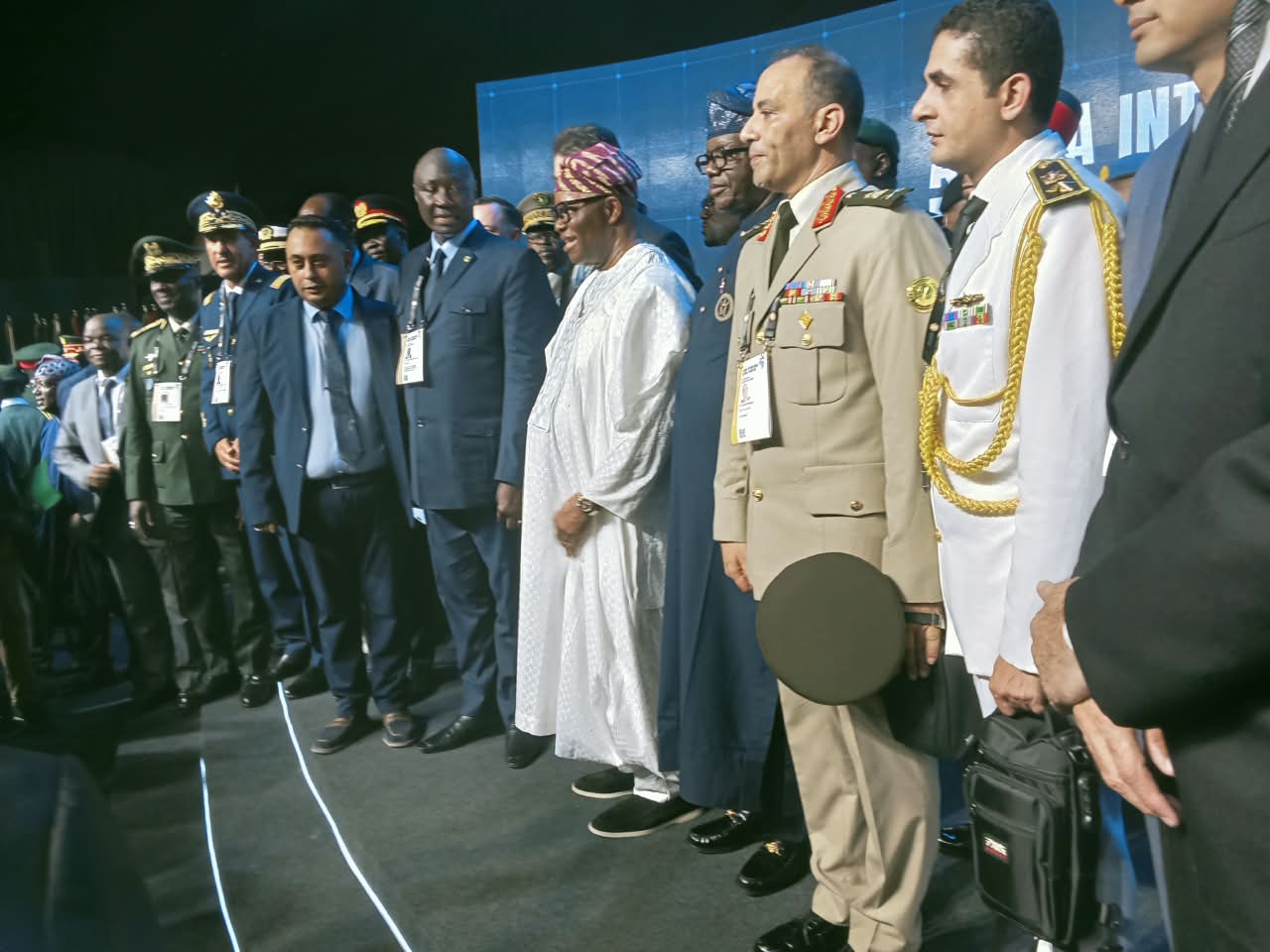
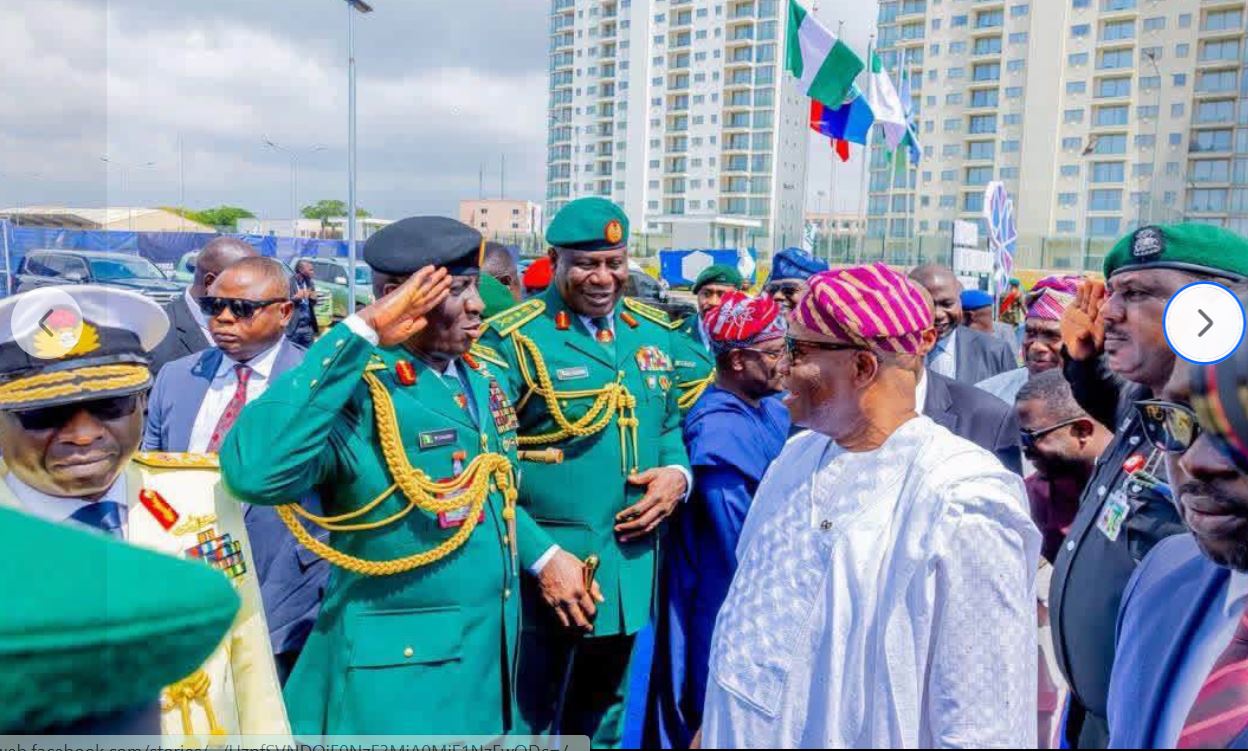
Tinubu who was represented by Senate President , Godswill Akpobio, made the calls at the opening of the Africa International Defence Exhibition (AFRIDEX) 2026 in Lagos.
According to him, the increasing interconnectedness of security threats requires African countries to adopt a coordinated response, noting that insecurity in one area could undermine trade, livelihoods and development across the continent.
“Trust across borders demands cooperation that crosses borders,” Akpabio said, urging African leaders and chiefs of defence to sustain the partnerships initiated at the exhibition.
He said the discussions at AFRIDEX 2026 should translate into joint training programmes, intelligence sharing, stronger defence industries and improved capacity for African military forces to conduct coordinated operations.
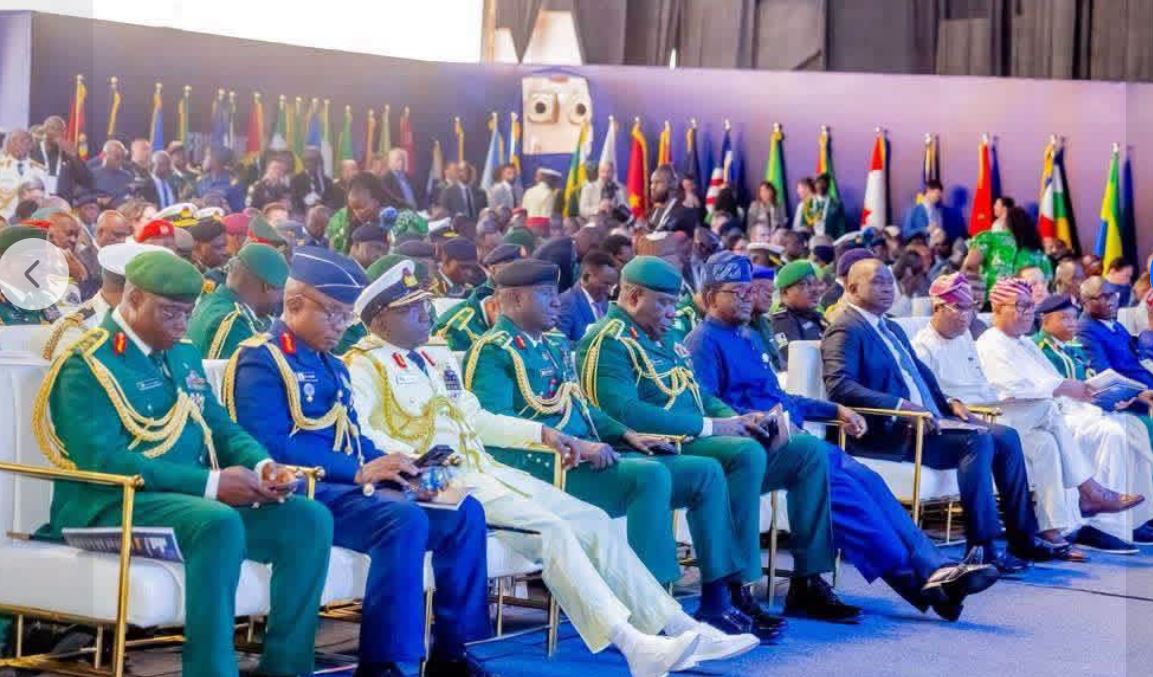
“Let the conversations in these halls become joint training, shared intelligence, stronger industries, and forces that are better able to operate together,” he said.
The Nigerian President said Africa possessed the human resources, natural resources and technological ingenuity required to strengthen its security architecture, but stressed that these advantages must be supported by investment, coordination and the political will to act decisively.
He identified terrorism, insurgency, banditry, piracy and other transnational threats among the challenges requiring closer cooperation among African countries.
Akpabio noted that Nigeria had experienced the consequences of insecurity, including the loss of lives, displacement of communities, disruption of economic activities and the denial of opportunities to citizens.
He commended the Nigerian Armed Forces for their sacrifices in confronting these threats and called on political leaders to provide personnel with the equipment, training and institutional support required to carry out their duties.
He also emphasised the need to strengthen African-led peace operations through predictable funding, adequate equipment, rigorous training and sustained institutional support.
According to him, the courage of troops deployed to respond to crises must be matched by the resources necessary to accomplish their missions.
Beyond land-based security threats, Akpabio called for stronger maritime cooperation, particularly in the Gulf of Guinea, which he described as vital to African trade, energy security and economic prosperity.
He said cooperation among countries in the region was necessary to protect legitimate maritime activities and prevent criminal networks from exploiting territorial boundaries.
“We must strengthen maritime cooperation so that legitimate commerce can flourish and criminal networks find no sanctuary,” he said.
Akpabio further urged African governments to prepare for emerging threats associated with cyber capabilities, space technologies, artificial intelligence and autonomous systems.
He said the continent must develop the expertise and institutions needed to understand these technologies, deploy them responsibly and develop indigenous solutions to meet its defence requirements.
He also advocated stronger partnerships with international defence companies, stressing that such relationships should promote technology transfer, build local expertise and strengthen domestic production capacity.
According to him, foreign defence partnerships should leave African countries with the ability to maintain equipment, develop skilled personnel and sustain their own defence capabilities.
Tinubu said Nigeria was pursuing indigenous defence production and cooperation with trusted partners to develop capabilities suited to evolving security challenges.
He, however, stressed that the operations of the Nigerian Armed Forces must remain guided by professionalism, discipline, respect for human rights and democratic civilian authority.
He said public confidence remained essential to national defence and the effectiveness of security institutions.
He urged participants at AFRIDEX 2026 to ensure that the exhibition produced tangible outcomes that would improve security and protect the lives and livelihoods of Africans.
He said the ultimate test of decisions taken at the event would be whether farmers could return safely from their fields, children could attend school without fear and traders could move freely across markets.