




A tenancy arrangement in Abuja’s Gwarinpa district has degenerated into a contentious property dispute, drawing attention to issues of ownership rights, alleged abuse of authority, and the involvement of law enforcement in civil matters.
The dispute centres on a residential property located at Road 69, Plot 750A in Gwarinpa. Alhaji Abdullahi Abdurrahman Yahaya, who claims ownership of the property, alleges that a former tenant is attempting to unlawfully take control of the premises with the backing of some police officers.
According to Yahaya, the disagreement dates back to 2018 when a tenant, identified as Collins Elesomo, rented a two-bedroom apartment within the compound through his family representatives. He stated that while the tenant initially fulfilled his rental obligations for the first year, he allegedly stopped paying thereafter but continued to occupy the property.
Yahaya, who was reportedly outside the country for medical reasons at the time, said he returned to find the situation had significantly deteriorated.
“He stopped being a tenant and began acting like the owner. He has neither paid rent nor vacated the property, and is now allegedly erecting structures and subletting to other occupants,” Yahaya claimed.
He further accused the tenant of carrying out unauthorised developments on the property and presenting himself as the rightful owner to prospective tenants. Efforts to halt the construction, including intervention by the Abuja Development Control Department, reportedly yielded limited results despite a stop-work order.
The matter has since been taken to court. A suit marked FCT/HC/CV/054/GARI/23 is currently before a High Court of the Federal Capital Territory. The case, filed by Abdulrahman Adamu Okene and Yahaya Yakubu of Mubarak and Partners, seeks an interlocutory injunction against Collins Elesomo and other occupants over alleged illegal partitioning and subletting of the property.
In response, Elesomo denied claims of ownership, maintaining that he remains a lawful tenant under an agreement with one Abdulrahman Okene.
“I am not the owner of the property. I occupy it as a tenant, and my landlord is Abdulrahman Okene,” he said in a message.
He added that all relevant tenancy documents have been submitted before the court and are accessible through official legal channels. He also stated that any development within the property was undertaken with the approval of his landlord.
The situation is further complicated by the relationship between the parties, as Abdulrahman Okene is understood to be a younger sibling of Yahaya.
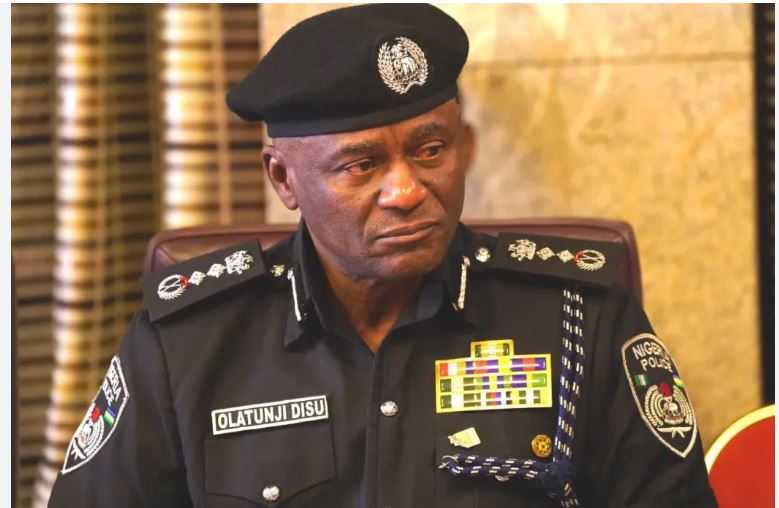
Yahaya also raised concerns over the conduct of some officers attached to the Zone 7 Police Headquarters in Abuja. He alleged that instead of receiving protection as the claimed property owner, he was subjected to detention following a complaint by the tenant, who reportedly accused him of impersonation.
“I was detained on the basis that I was not the owner. Even after presenting documents, I was asked to provide sureties and make payments before my release,” he alleged.
He further accused the officers of bias, claiming they failed to act when the property, previously sealed, was allegedly reopened by the tenant without authorisation.
The allegations, including claims of financial demands and the involvement of plainclothes operatives, have heightened concerns about the handling of the matter.
Yahaya has called on the Inspector General of Police to intervene, expressing fears for his safety and warning that the case reflects broader systemic issues.
Legal experts say the dispute highlights the challenges associated with property ownership and tenancy conflicts in Nigeria. While such disagreements are typically civil in nature, allegations involving impersonation, unlawful construction, or document falsification may warrant criminal investigation.
However, they caution that impartiality is critical in such cases.
Abuja-based property lawyer Usman Yusuf noted that law enforcement must remain neutral to preserve the integrity of the justice process.
“When the police appear to take sides in a civil dispute, it undermines public confidence and raises serious concerns about due process,” he said.
Observers note that the case reflects a growing trend of property disputes in Abuja escalating into complex legal and enforcement battles.
As proceedings continue, stakeholders say the response of relevant authorities, particularly the police, will be crucial in determining the outcome and restoring public trust.
For Yahaya, the matter remains urgent.
“This is my property. All I seek is justice,” he said.