



By Phil Amaechi
Apapa, Lagos, occupies a strategic position in Nigeria’s maritime economy. Home to major seaports, shipping facilities and busy waterways, the area serves as a critical gateway for international trade. But the constant movement of vessels, cargoes and people also presents security challenges that require sustained surveillance and effective law enforcement.
For the Nigerian Navy, particularly the Nigerian Navy Ship (NNS) BEECROFT, tackling criminal activities around Apapa and adjoining waterways has become an important part of efforts to protect legitimate businesses, secure coastal communities and strengthen Nigeria’s maritime security.
The command’s recent operations, including drug seizures, the interception of suspected stowaways and joint raids with other security agencies, underscore its efforts to prevent criminal networks from exploiting the country’s maritime environment.
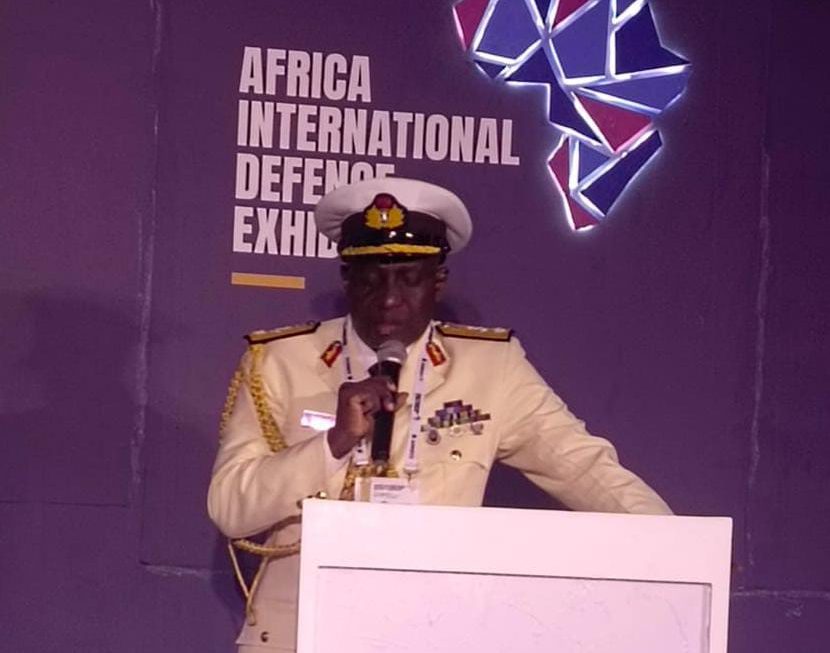
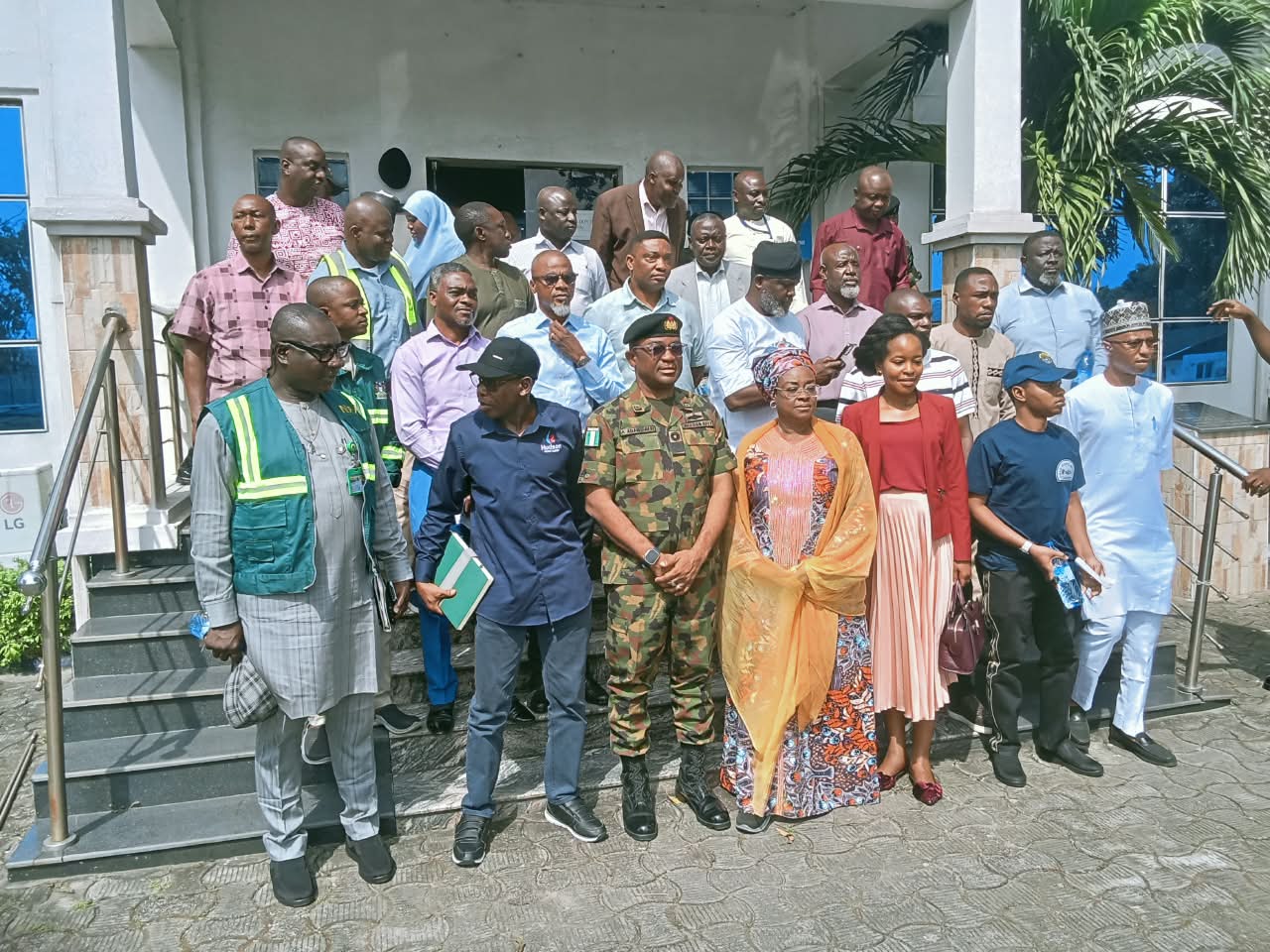
At a maritime stakeholders’ meeting in Apapa in October 2026, the Commander of NNS BEECROFT, Commodore Aiwuyor Adams-Aliu, called for stronger intelligence sharing and closer cooperation between the Navy, other security agencies, maritime operators and host communities.
The meeting highlighted a central challenge confronting security agencies: maritime crime cannot be effectively tackled through patrols and enforcement operations alone. It also requires reliable information from people who live, work and conduct business in areas vulnerable to criminal activities.
According to reports of the meeting, Adams-Aliu disclosed that the command had seized substantial quantities of illicit drugs and rescued 25 stowaways during operations conducted in 2026. The recovered drugs were handed over to the National Drug Law Enforcement Agency (NDLEA), while the rescued stowaways were transferred to the Nigeria Immigration Service for further action.
These interventions reflect the range of security concerns confronting the Navy in Lagos, where criminal activities can extend from inland settlements to waterways, anchorage points and commercial vessel terminals.
Drug trafficking under surveillance
One of the major areas of concern is the movement and distribution of illicit drugs.
In February, naval personnel participated in operations targeting suspected drug-related activities around Gidan Drama in Apapa. The command also reported a subsequent joint operation that resulted in the arrest of nine suspected drug peddlers around Agbo Malu in September.
Other seizures were recorded at locations including Abule Osun, Ikare Island and Alfa Beach.
Among the reported interceptions was the recovery of 756 kilogrammes of cannabis from a wooden boat off Alfa Beach in July. Another seizure at Ikare Island involved 192 kilogrammes of cannabis, while an operation around Abule Osun resulted in the recovery of 480 kilogrammes.
The operations demonstrate the importance of monitoring both waterways and adjoining communities, particularly where illicit consignments may be transported by boats or moved through locations connected to the maritime corridor.
However, enforcement efforts must go beyond confiscating drugs and arresting suspects. Sustained investigations, effective prosecution by the appropriate authorities and cooperation among relevant agencies are necessary to disrupt the networks responsible for supplying and distributing illicit substances.
The Navy’s collaboration with the NDLEA is therefore significant, as it provides a pathway for recovered substances and suspected drug offenders to be handled by the relevant authorities.
Preventing illegal migration through commercial vessels
Another challenge is stowing away aboard commercial ships.
The practice creates security and safety risks for individuals who attempt to travel illegally, while also presenting potential difficulties for shipping companies and authorities responsible for port security and immigration enforcement.
The reported rescue of 25 stowaways during the period under review illustrates the need for vigilance around Lagos Anchorage, Lekki, Takwa Bay and other maritime locations.
Some of those intercepted were reported to include Nigerians and foreign nationals from neighbouring African countries.
By transferring the rescued individuals to the Nigeria Immigration Service, the Navy enables the appropriate agency to determine their identities, establish the circumstances surrounding their presence aboard vessels and take any further action required by law.
Effective prevention, however, requires cooperation between naval personnel, immigration officers, shipping companies, port operators and vessel crews. Prompt reporting of unauthorised access to ships and suspicious movements can help security agencies intervene before incidents escalate.
Intelligence sharing as the next frontier
Beyond arrests and seizures, the Navy is seeking to strengthen the information network supporting its operations.
At the October stakeholders’ meeting, Adams-Aliu emphasised the need for maritime operators and community representatives to report suspicious movements and emerging threats promptly.
He called for clearer reporting channels, designated security contact persons and improved communication between organisations and security agencies.
The approach recognises that people working around the ports and waterways may notice unusual activities before they come to the attention of security patrols.
Shipping operators, dockworkers, transporters, business owners and residents can therefore contribute to crime prevention by providing credible information to the appropriate authorities.
For such a system to work effectively, however, reporting channels must be accessible, information must be handled responsibly, and agencies must respond promptly to credible reports. Feedback to those providing information can also help build trust and encourage continued cooperation.
The Navy has equally stressed the importance of joint operations involving the police, the Nigerian Army, the Department of State Services, the Nigeria Security and Civil Defence Corps, the NDLEA and other relevant institutions.
Such coordination is essential because criminal activities around port communities may involve offences that fall under the responsibilities of different agencies.
Protecting Apapa’s commercial lifeline
Apapa’s security is closely linked to the wider interests of the Nigerian economy. Disruptions to port operations and maritime transportation can affect businesses, workers, cargo movement and the confidence of investors and shipping operators.
The Navy’s position is that legitimate commercial activities must be protected while criminality is discouraged. That distinction is important in a busy port environment where security enforcement must be firm without unnecessarily obstructing lawful trade.
The challenge also extends beyond the water. Community engagement, law enforcement on land and cooperation with local authorities are necessary to address criminal activities that operate across both environments.
The Apapa Local Government Council has expressed support for closer cooperation with security agencies, recognising the importance of safeguarding residents, businesses and vulnerable groups, particularly children.
For the Navy, these partnerships offer an opportunity to complement operational deployments with community-level intelligence and preventive action.
Sustaining the gains
Although the Navy has described the security situation in Lagos waters as relatively calm, the command has warned that continued monitoring remains necessary.
The challenge ahead is to ensure that reported operational successes translate into lasting improvements in security. This will require sustained patrols, better intelligence gathering, prompt investigations, effective inter-agency coordination and the prosecution of offenders where evidence supports criminal charges.
It will also require maritime operators and residents to remain vigilant rather than treating security as the exclusive responsibility of uniformed personnel.
Ultimately, the fight against crime in Apapa will be measured not only by the quantity of drugs seized or the number of suspects arrested, but also by the ability of security agencies to disrupt criminal networks, prevent the exploitation of vulnerable people and create a safer environment for lawful commerce.
As the Nigerian Navy strengthens its collaboration with security agencies and maritime stakeholders, Apapa remains an important test of how operational enforcement and community participation can work together to protect Nigeria’s maritime interests.