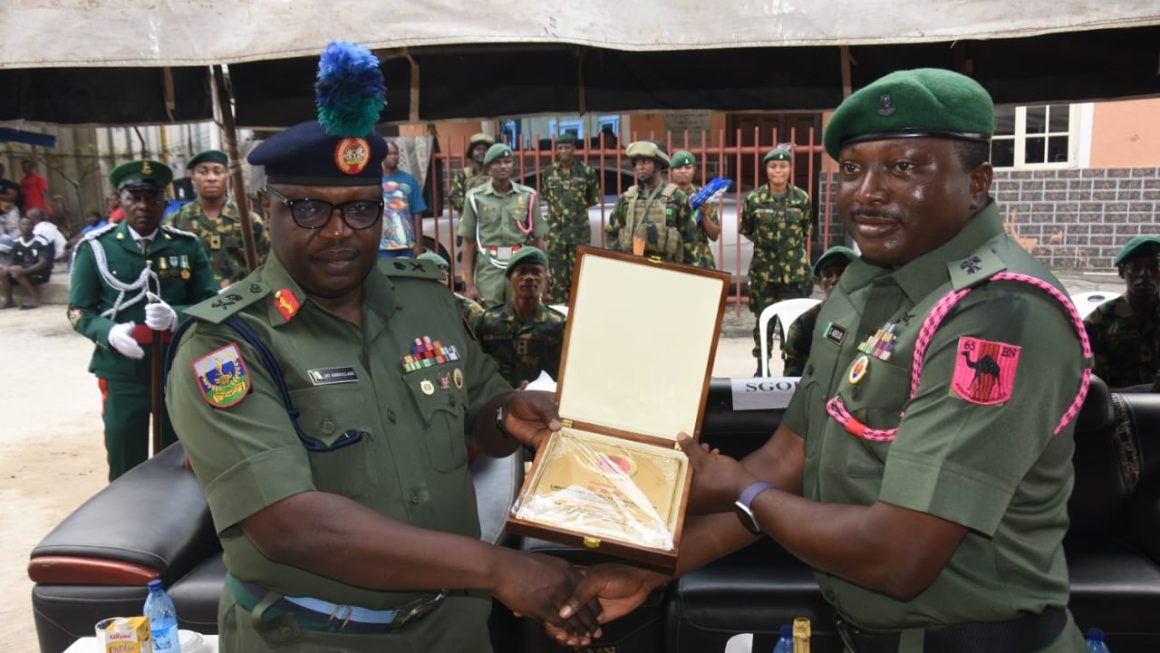






The Chief of Army Staff (COAS), Lieutenant General Waidi Shaibu, has charged commanders and personnel of the Nigerian Army to prioritise the maintenance, accountability and responsible use of military assets, warning that the effectiveness of refurbished equipment would depend on how well they are managed.
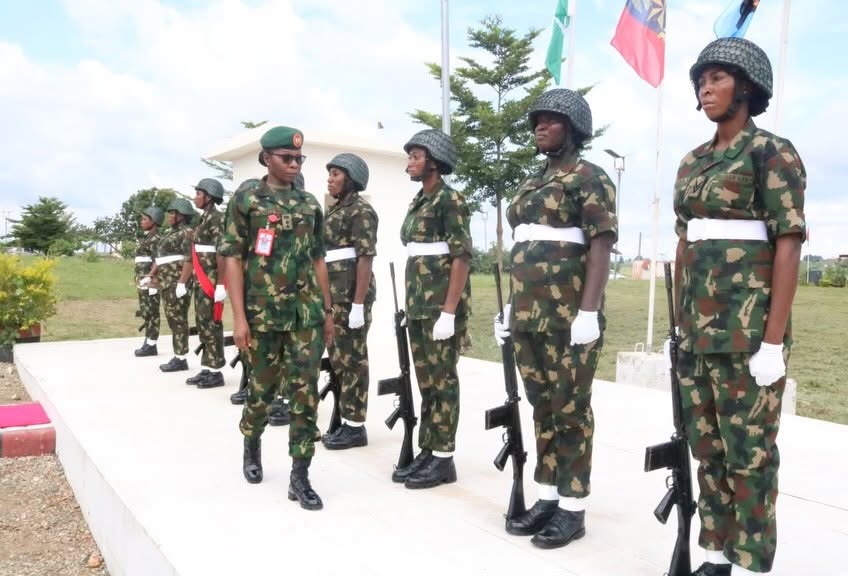
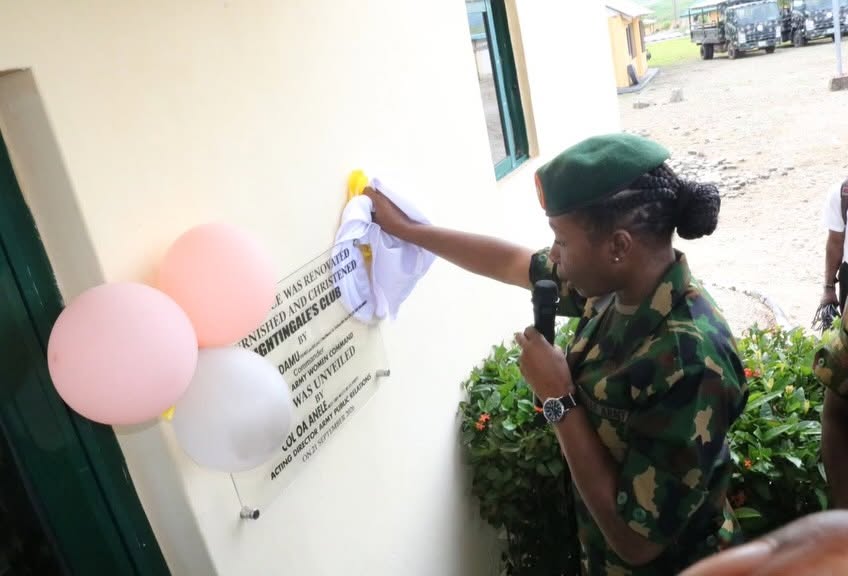
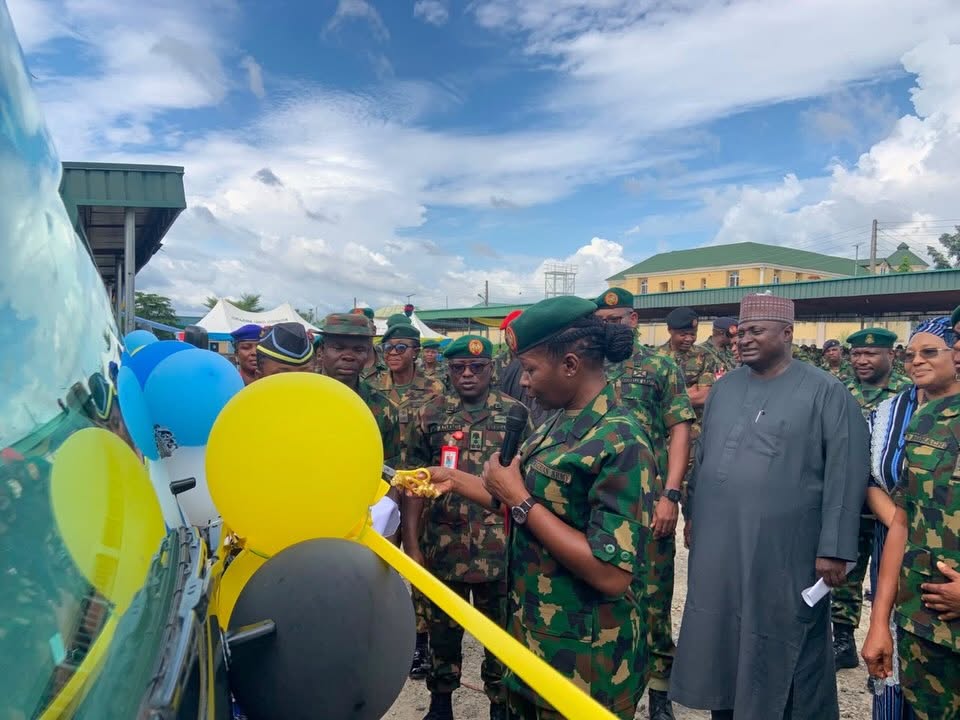
Shaibu gave the charge on Monday, September 21, 2026, while commissioning refurbished operational vehicles and the Nightingale Club at 1 Women Battalion, Giri, Abuja.
Represented by the Acting Director Army Public Relations, Colonel Appolonia Anele, the COAS said serviceable mobility assets remained critical to the Army’s ability to move troops, equipment and logistics promptly in response to operational demands.
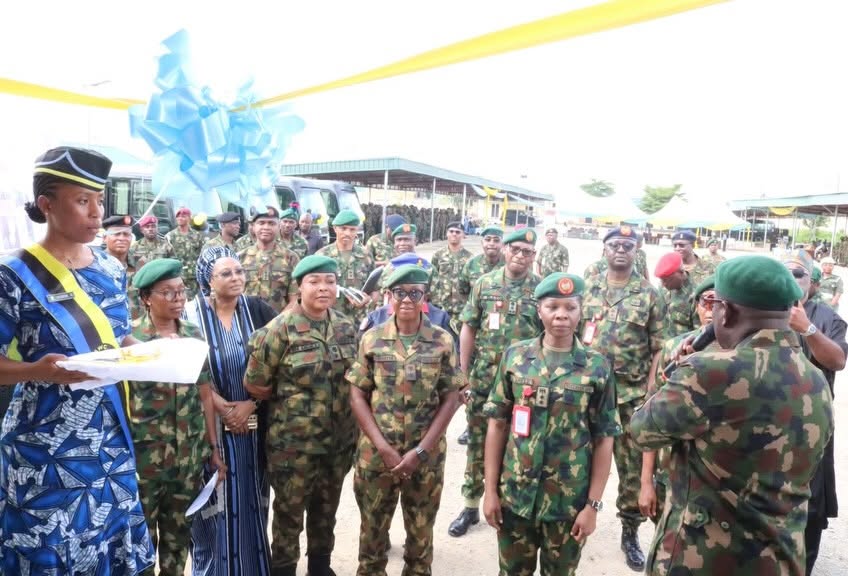
He said the refurbishment of the vehicles would improve the formation’s mobility and responsiveness, particularly in the execution of assigned tasks.
According to him, military effectiveness was closely linked to the availability and serviceability of operational platforms, making proper maintenance and responsible management essential to sustaining the Army’s capabilities.
Shaibu therefore directed the commanders and personnel entrusted with the vehicles to ensure that the assets were properly maintained, accounted for and used strictly for authorised military purposes.
He described the vehicles as national resources which must be protected from misuse and avoidable deterioration.
The COAS said the Army’s ability to optimise limited resources had become increasingly important as the service continued to respond to evolving national security demands.
He stressed that the commissioning of refurbished vehicles should not be regarded as the end of the process, but as the beginning of a responsibility to preserve their serviceability and ensure that they deliver the intended operational benefits.
Beyond the operational assets, Shaibu highlighted the Nightingale Club as an investment in the human element of military effectiveness.
He said a professional and resilient military required more than equipment and weapons, stressing the importance of creating an environment that supports the morale, cohesion and wellbeing of personnel.
According to him, the facility would provide opportunities for recreation, healthy social interaction and relaxation for soldiers and their families while promoting camaraderie and esprit de corps within the formation.;
He commended the leadership and personnel of 1 Women Battalion, as well as officers, soldiers, civilian staff, contractors and other stakeholders who contributed to the completion of the projects.
The COAS said the achievements demonstrated the importance of effective leadership, prudent resource management and collective responsibility in improving military infrastructure and capabilities.
He charged commanders and personnel to sustain a culture of maintenance and accountability, stressing that the ultimate value of the commissioned assets would be determined by their contribution to operational effectiveness and personnel welfare.
Earlier, the Commander Nigerian Army Women Command, Brigadier General Muhammed Sani Adamu, described the Nightingale Club as a strategic investment in the welfare and resilience of military personnel.
Adamu said a combat-ready force required not only appropriate equipment and operational capabilities but also an enabling environment capable of sustaining the morale, welfare and cohesion of its personnel.
She commended the COAS for what she described as his strategic guidance and sustained provision of resources to improve personnel welfare in line with his Soldier First philosophy.
According to her, prioritising the human element remained essential to building a motivated force capable of sustaining operational effectiveness and discharging its constitutional responsibilities.
The projects at 1 Women Battalion therefore combine two aspects of the Army’s operational priorities: maintaining the mobility required for troops to perform their duties and creating conditions that support the personnel expected to use those capabilities.
The Army leadership said continued attention to both areas would remain important as the service seeks to maximise available resources while meeting its operational and national security responsibilities.