
The Nigerian Army has expanded its force structure to 12 divisions and commenced the integration of 28,000 recruits as part of measures to increase its operational reach and improve its response to the country’s changing security environment.
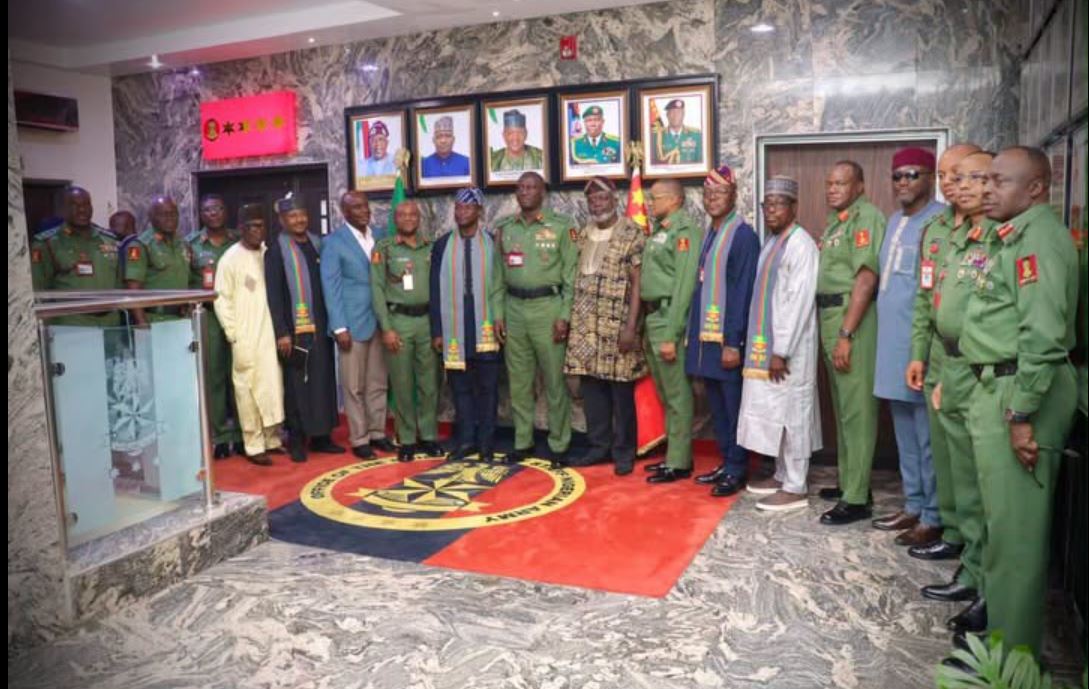
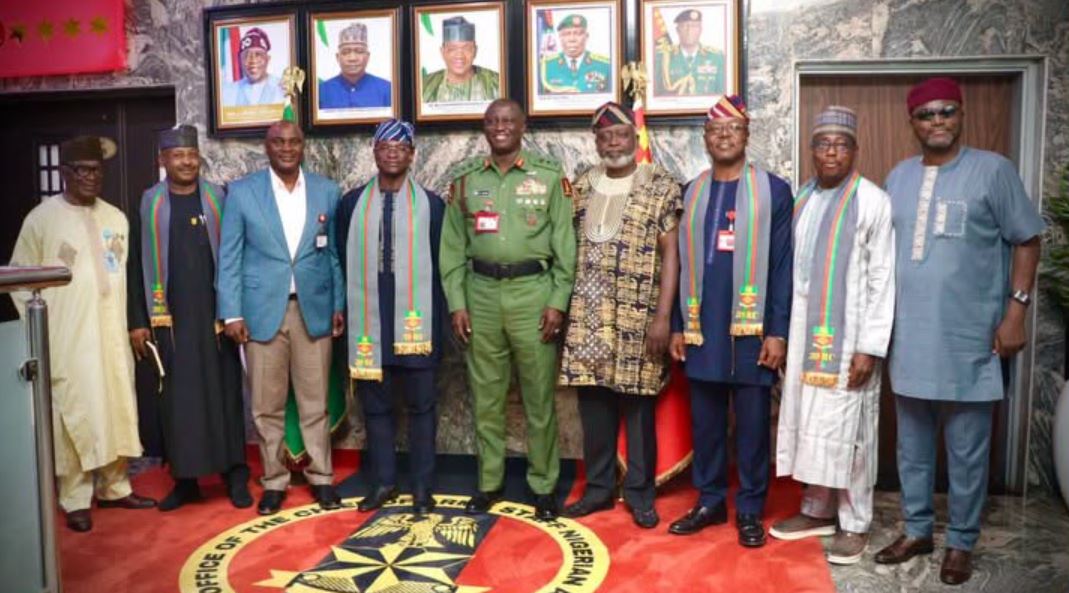
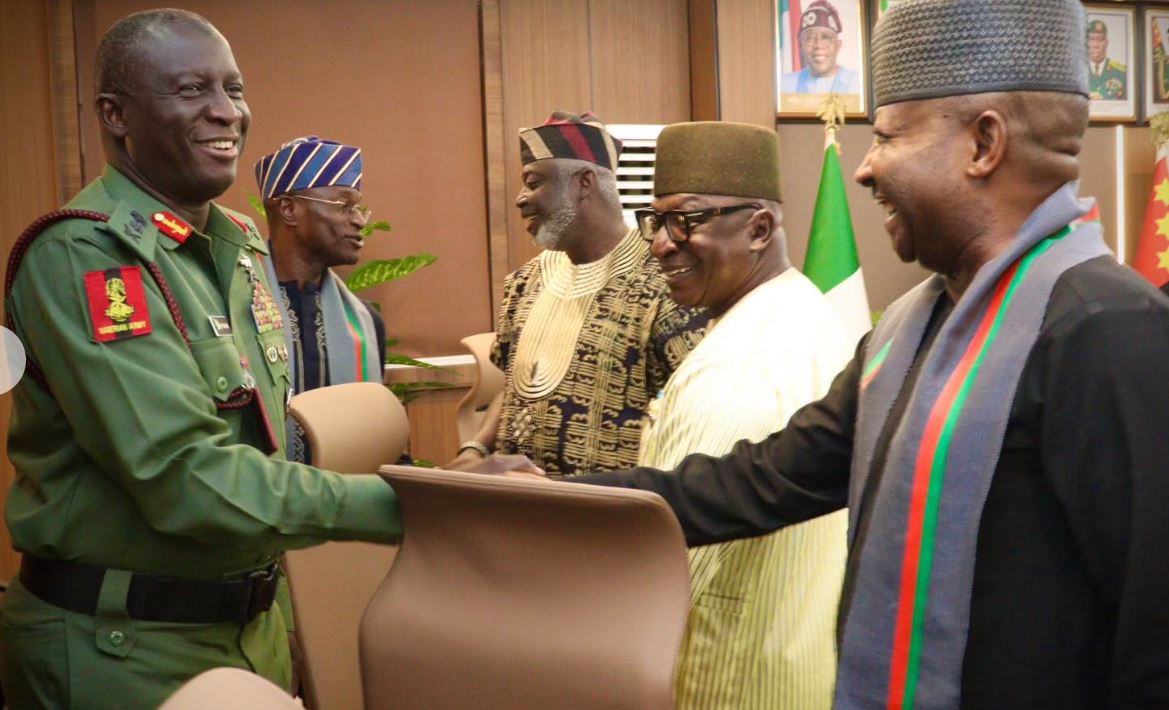
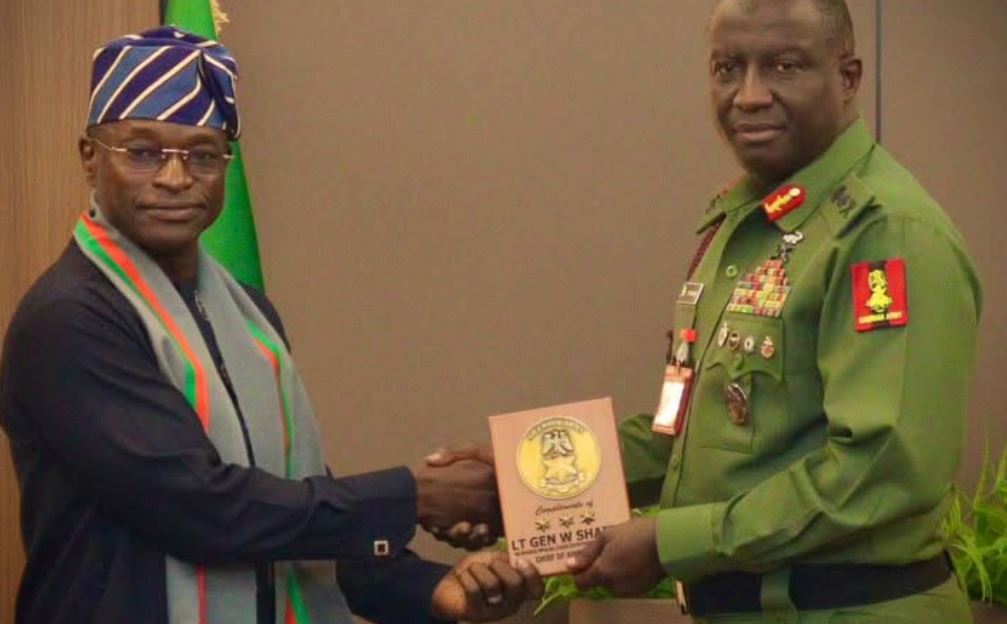
The Chief of Army Staff (COAS), Lieutenant General Waidi Shaibu, disclosed this on Thursday, September 17, 2026, during a meeting with members of the Course 39 Nigerian Defence Academy (NDA) United Welfare Association (UWA) at Army Headquarters, Abuja.
The association, led by its President, Air Vice Marshal Ibikunle Daramola (rtd), paid a courtesy visit to the Army Chief.
Shaibu said the expansion of the Army’s force structure and the ongoing recruitment and training programme were among measures being implemented to strengthen manpower and improve the Service’s ability to respond to security threats across the country.
According to him, the 28,000 recruits are being integrated through regional training depots located in Zaria, Osogbo and Amasiri Edda.
The COAS also disclosed that the Army was reviewing its training system to place greater emphasis on marksmanship, physical fitness and fieldcraft.
He said the revised curriculum was aimed at preparing troops for increasingly complex operational environments and ensuring that personnel possessed the skills required for contemporary military operations.
Beyond manpower expansion, Shaibu said the Nigerian Army was pursuing a broader transformation of its operational capabilities through the adoption of emerging technologies and multi-domain warfare concepts.
He identified space, cyber and non-kinetic capabilities as areas being integrated into the Army’s operational framework.
The Service is also developing Army aviation and unmanned aerial systems, which the COAS said would improve situational awareness, operational mobility and the Army’s ability to respond to emerging threats.
The reforms point to an approach that combines increased manpower with new technologies and specialised capabilities as the Army seeks to adapt to changing security requirements.
However, Shaibu said the transformation of the Army was not limited to equipment, force structure and operational capability, stressing that personnel welfare remained an important component of institutional development.
He reaffirmed the Army’s commitment to serving and retired personnel, noting that those who had served the nation continued to have a role to play in strengthening the institution.
According to the COAS, the operational experience, professional knowledge and leadership expertise of retired officers could contribute to mentorship, institutional memory and continuity within the Army.
He therefore described sustained engagement with veterans as an important source of professional knowledge and useful perspectives for confronting contemporary security challenges.
As part of the Army’s welfare initiatives, Shaibu pledged support to the Course 39 UWA Emergency Health Fund to assist members with medical needs.
He said caring for personnel beyond their period of active service remained an enduring responsibility of the Army.
The COAS also highlighted the Senior Executive Transition Programme, which is designed to prepare retiring senior officers and their spouses for post-service life.
He said the initiative reflected the Army’s broader effort to address personnel welfare throughout the different stages of military service.
Earlier, Daramola congratulated Shaibu on his appointment as Chief of Army Staff and promotion to the rank of Lieutenant General.
He commended the Army leadership for measures aimed at strengthening the force structure and operational capabilities of the Service.
The retired Air Vice Marshal also expressed appreciation for the Army’s support to members of Course 39, particularly in health insurance, emergency assistance and capacity-building programmes.
Daramola assured the COAS that members of the association were prepared to make their experience and expertise available to the Army through mentorship, advisory services and specialised support.
The meeting therefore brought together two components of the military institution—serving leadership and retired officers—with discussions covering force expansion, training, technology, operational readiness and personnel welfare.
For the Nigerian Army, the initiatives outlined by the COAS reflect an ongoing effort to combine increased manpower and improved training with technological capabilities, while maintaining welfare and institutional continuity as part of its wider reform programme.