
BY PHILIP NWOSU
The killing of senior military officers in Nigeria’s ongoing counter-insurgency operations has once again drawn attention to the persistent security challenges in the North-East and the evolving tactics of Boko Haram and members of the Islamic State for West African Province (ISWAP).
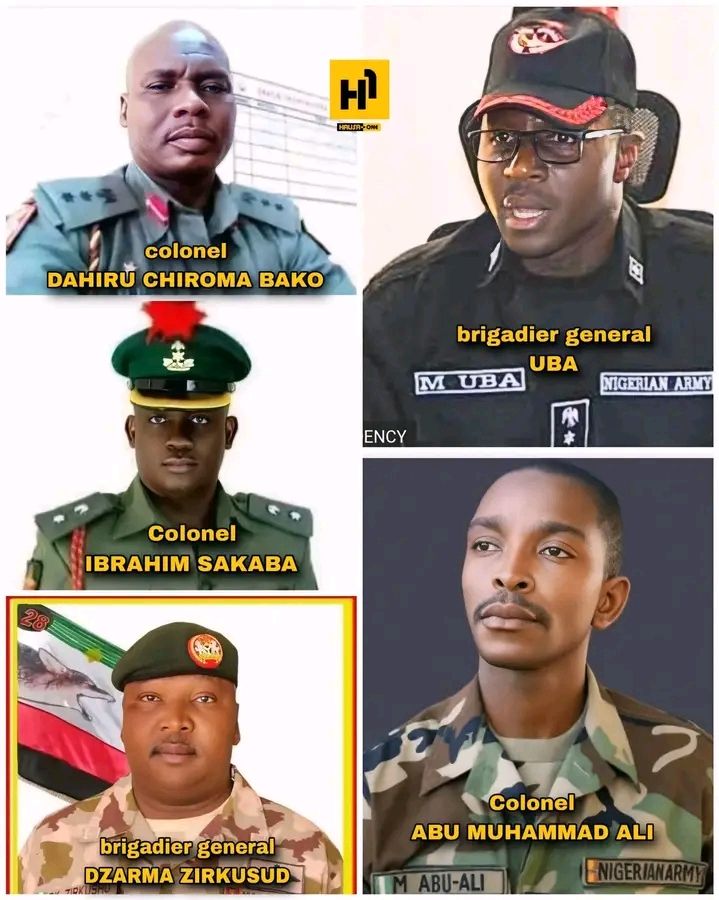
Over the years, several top-ranking officers—Commanders, Brigade leaders, and operational heads—have lost their lives while leading missions in difficult terrain. These incidents, beyond being tragedies, have strategic implications for national security, troop morale, and the overall trajectory of Nigeria’s fight against terrorism.
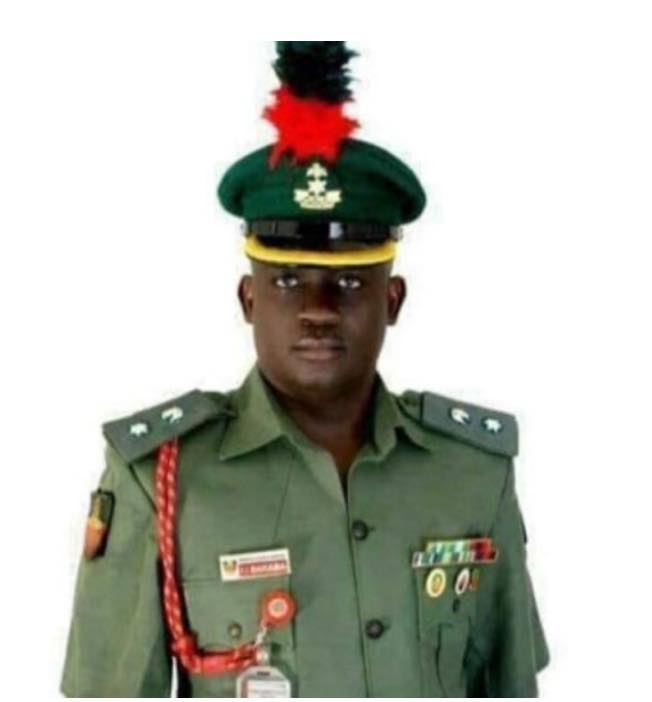
As Nigeria approaches a crucial phase in its counter-insurgency efforts, the deaths of senior officers serve as reminders of the complexity of the conflict and the urgent need to reassess strategies, strengthen intelligence systems, improve protection for commanders, and modernize the Armed Forces’ combat approaches.
Impact on Military Operations and Morale
The death of any military personnel is a significant loss, but the killing of senior officers carries additional weight. These officers often possess years of operational experience, institutional knowledge, and leadership skills that are difficult to replace in the short term. Their deaths can create temporary command gaps, disrupt ongoing missions, and require urgent reorganization within their units.
For troops on the frontlines, seeing their commanders fall in the line of duty can trigger emotional distress and temporarily shake morale. However, Nigerian soldiers have repeatedly shown resilience, often renewing their determination to continue operations in honor of their fallen leaders. Nonetheless, such incidents underline the need for psychological support systems for frontline troops and a more structured approach to leadership transition during crises.
Evolving Tactics of Boko Haram and ISWAP
One of the core reasons senior officers continue to be targeted is the insurgents’ evolving tactics. Boko Haram and its splinter group, ISWAP, understand the symbolic power of attacking high-ranking officers. Such attacks serve their propaganda aims, attempting to portray the government as vulnerable and capable of losing its most experienced officers.
In recent years, insurgent groups have shifted from direct confrontation to more unpredictable methods—ambushes, improvised explosive devices (IEDs), and targeted intelligence-driven strikes. Some of these groups possess mobility advantages, using motorcycles, knowledge of the terrain, and internal informant networks to stage sudden attacks along known military operational routes.
The rise of younger, tech-savvy fighters within ISWAP has also led to increasingly calculated attacks. These groups gather data, monitor troop movement, and observe command patterns to identify opportunities to strike. This means that senior officers are at higher risk when leading frontline operations, especially in areas where intelligence gaps still exist.
Systemic Challenges in the Current Counter-Insurgency Framework
While Nigeria’s Armed Forces have achieved significant successes—capturing territory, rescuing civilians, and dismantling multiple insurgent camps—several structural challenges continue to hinder operational effectiveness:
Intelligence and Surveillance Gaps: Intelligence remains the backbone of modern warfare. When insurgent groups succeed in launching surprise attacks on senior officers, it often points to information lapses. Limited aerial surveillance, insufficient technological assets, and occasional infiltration by informants complicate decision-making for field commanders.
Logistical Constraints in High-Risk Areas: Some frontline operations take place in regions with poor road networks, difficult terrain, and limited communication infrastructure. This increases the vulnerability of convoys, especially when moving through known ambush corridors.
Strain from Multi-Front Engagements: The Nigerian military is simultaneously tackling multiple security challenges—insurgency in the North-East, banditry in the North-West, communal clashes in the Middle Belt, and oil theft in the South-South. This multi-front engagement spreads resources thin and increases operational pressure on commanders who must adapt to several conflict environments.
Insufficient Technological Modernization: Modern conflicts require cutting-edge tools such as real-time drone surveillance, encrypted communication devices, counter-IED technology, and armored vehicles built specifically for asymmetric warfare. Nigeria has made progress, but more investment is required to match the sophistication of emerging threats.
The Way Forward: Strengthening the Armed Forces for Future Operations
To protect senior officers, enhance mission success, and gradually bring an end to the insurgency, Nigeria’s Armed Forces may consider several strategic reforms. These recommendations align with global best practices for counter-terrorism and asymmetric warfare.
1. Prioritizing Intelligence-Driven Operations
The military and security agencies must deepen intelligence collaboration, both internal and external. This includes:
Expanding the use of drones and satellite imagery for surveillance
Training more personnel in intelligence analysis
Strengthening community-based intelligence through trusted local networks
Disrupting insurgent informant systems within affected communities
A more robust intelligence architecture will significantly reduce the risk of ambushes and targeted attacks on commanders.
2. Enhancing Protection Protocols for Senior Officers
While officers often insist on leading from the front, their movements must be guided by stronger protection measures. These may include:
Using armored escorts specifically designed for high-risk terrain
Limiting predictability in travel routes and schedules
Employing aerial escorts for convoys in red zones
Deploying rapid-response units to shadow senior officers during field visits
These measures are not meant to distance leaders from troops but to preserve operational continuity.
3. Upgrading Equipment and Technology
Nigeria’s defence modernization plan should continue to emphasize tools essential for counter-insurgency, such as:
Advanced anti-ambush vehicles
Communication systems that resist interception
Portable drone units for field commanders
Night-vision and thermal imaging devices
Such upgrades improve battlefield awareness, reduce risk, and boost troop confidence.
4. Deepening Joint Operations Among Security Agencies
Inter-agency cooperation between the Army, Air Force, Police, and intelligence agencies should be strengthened through unified command structures and real-time information sharing. Joint task forces are most effective when roles are clearly defined and communication is seamless.
5. Improving Welfare, Training, and Psychological Support
Counter-insurgency is mentally and physically demanding. The Armed Forces can reinforce resilience by:
Expanding psychological support programs for troops
Increasing specialized training in ambush response, convoy protection, and asymmetric warfare
Enhancing welfare packages and family support for fallen officers
This ensures that troops and commanders remain motivated, disciplined, and mentally strong.
6. Winning Local Trust in Conflict Zones
Successful counter-insurgency depends on the support of the local population. Strengthening civil-military relations—through humanitarian projects, protection of civilians, and transparent engagement—will help deny insurgents the local support they rely on.The killing of senior officers by Boko Haram and ISWAP is a sobering reminder of the difficult task facing Nigeria’s Armed Forces. Yet, the resilience of the military, combined with strategic reforms, improved intelligence systems, and modern equipment, can significantly shift the balance in favor of national security.
As the Armed Forces continue to adapt and strengthen their operations, the legacy of these fallen officers—who paid the ultimate price in service of the nation—must serve as a guiding force for building a safer and more secure Nigeria.
Philip Nwosu is the Defence Editor for The Sun Newspapers, he writes from Lagos