

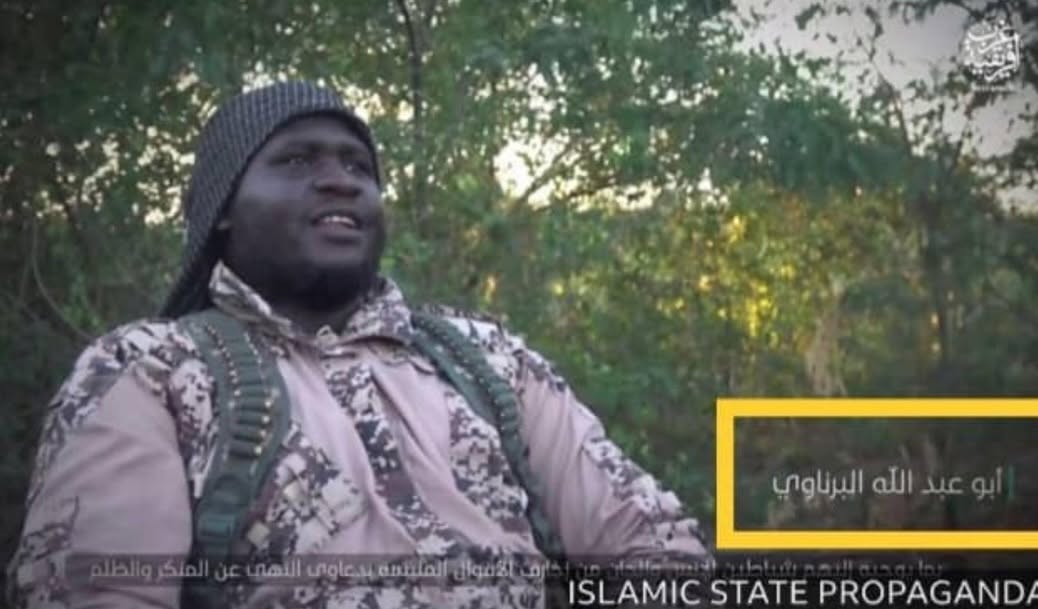
Troops of Operation HADIN KAI have recorded another significant success in the ongoing counter-terrorism campaign following the surrender of two senior commanders of the Islamic State West Africa Province (ISWAP).
The surrendered terrorists, identified as Ismail Mohammed and Abu Umar, reportedly laid down their arms and surrendered to troops on June 8, 2026. They are currently in military custody and undergoing profiling and debriefing procedures.

Military sources disclosed that preliminary assessments indicate that the two individuals occupied strategic positions within the terrorist group’s hierarchy and operated within the Mangari axis of the Lake Chad region.
One of the surrendered commanders, Ismail Mohammed, was said to be a close associate of a senior ISWAP leader, Baa Shuwa, and is believed to possess extensive knowledge of the group’s command structure, operations and activities.
The second commander, Abu Umar, was reportedly known within the terrorist network as a specialist in explosives and improvised explosive devices (IEDs). He was said to be responsible for the fabrication and maintenance of vehicle-borne improvised explosive devices as well as other combat-support equipment used by the terrorists.
Security sources noted that the surrender of the two commanders is expected to provide valuable intelligence that could support ongoing military operations aimed at dismantling terrorist networks operating in the North-East.
Meanwhile, information obtained during preliminary interrogations revealed that another high-profile terrorist figure, Mohammed Khalifa, a member of the ISWAP Shurah Council, was neutralised during recent joint operations conducted by Operation HADIN KAI.
Military authorities described the latest development as a major boost to ongoing efforts to degrade the operational capabilities of terrorist groups in the Lake Chad Basin and the wider North-East region.
The surrender of the commanders comes amid sustained offensive operations by troops of Operation HADIN KAI, which have continued to exert pressure on terrorist enclaves, resulting in the elimination of key leaders, destruction of logistics bases and increasing cases of surrender by insurgents.
The military has reaffirmed its commitment to sustaining aggressive operations against terrorist groups while encouraging insurgents willing to renounce violence to surrender and embrace the opportunity for rehabilitation and reintegration.