




By Kelvin Ugochukwu
The Nigerian Air Force (NAF) has taken a significant step towards strengthening civilian protection and enhancing operational accountability with the successful hosting of its maiden Seminar on Civilian Harm Mitigation and Response (CHMR) for strategic-level officers in Abuja.
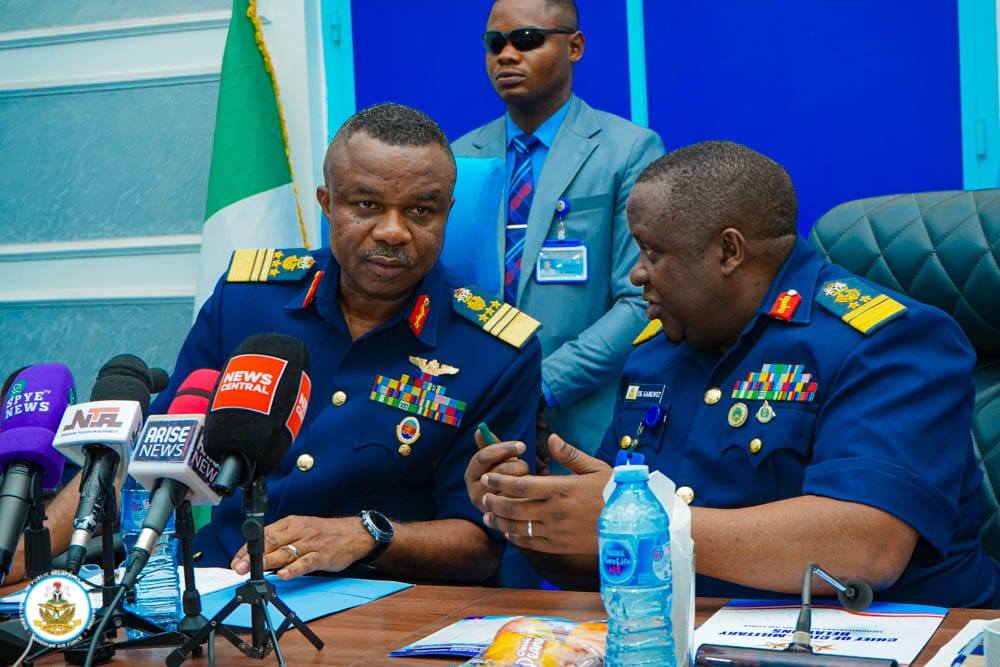
The seminar, held at Headquarters Nigerian Air Force on June 2, 2026, brought together senior military officers, security practitioners, policymakers, civil society actors, journalists and subject-matter experts to examine emerging approaches to protecting civilians during military operations.

The initiative reflects the NAF’s growing emphasis on integrating humanitarian considerations into operational planning and execution, particularly in an era where security operations are increasingly conducted within civilian-populated environments.
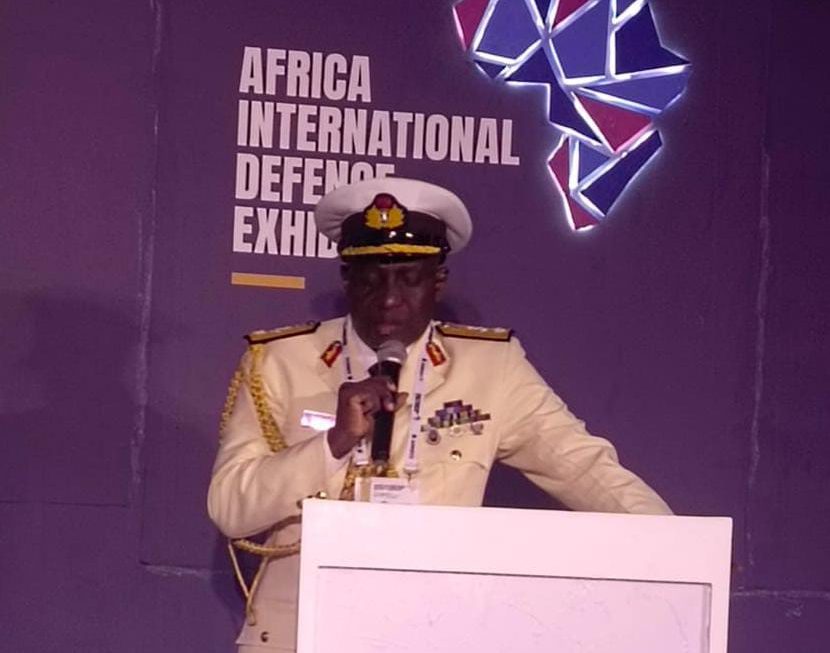
Opening the seminar, the Chief of the Air Staff, Air Marshal Sunday Kelvin Aneke, described the event as a landmark achievement in the Service’s ongoing efforts to institutionalise best practices in civilian protection while maintaining operational effectiveness.
According to the Air Chief, military success can no longer be assessed solely by tactical victories or the completion of missions. Rather, he said, modern military operations must also be evaluated by the degree to which civilian lives, property and livelihoods are safeguarded.
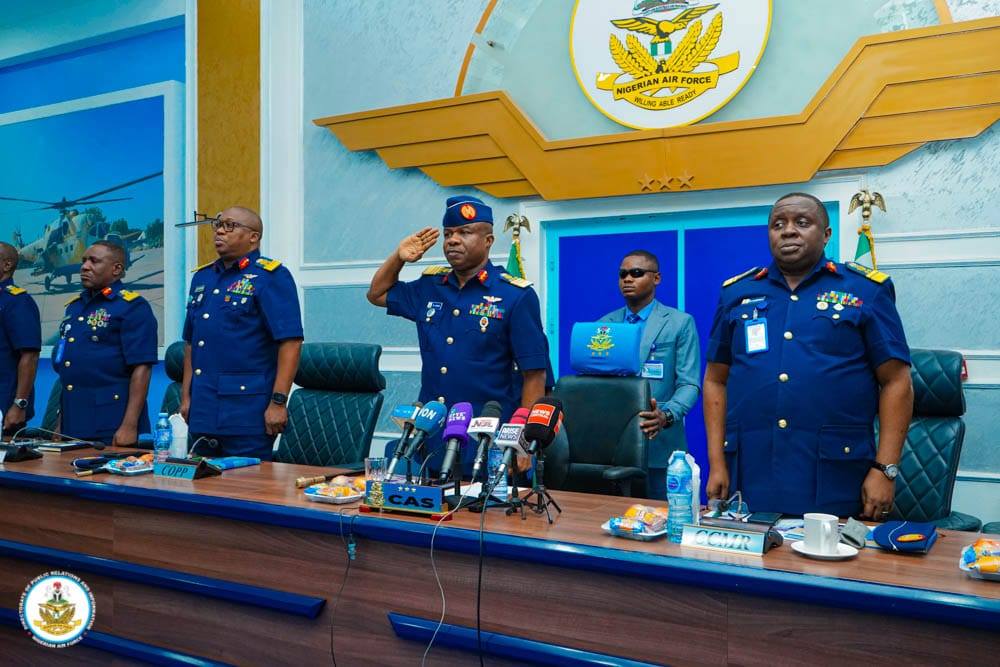
He stressed that Civilian Harm Mitigation and Response is a critical framework that strengthens military effectiveness rather than limiting it.
“Civilian Harm Mitigation and Response is not a constraint on our operational effectiveness; rather, it is a framework that enhances precision, improves decision-making and ultimately preserves strategic legitimacy,” he stated.
Air Marshal Aneke noted that public confidence remains a vital component of national security operations and that military institutions must continuously work to sustain the trust of the populations they serve.
He explained that the NAF’s commitment to civilian protection aligns with its broader objective of conducting precise, intelligence-driven operations that achieve security objectives while minimising unintended consequences.
The seminar also provided participants with the opportunity to examine practical approaches to reducing civilian harm during military engagements and strengthening accountability mechanisms across operational theatres.
In his welcome remarks, the Chief of Civil-Military Relations, Air Vice Marshal Edward Gabkwet, underscored the importance of balancing military necessity with humanitarian responsibility.
He observed that contemporary military operations often take place in complex environments where combatants and civilians coexist, making the protection of non-combatants a critical operational requirement.
“Operational success is not defined solely by tactical achievements, but by the ability to conduct operations with precision, discipline, restraint and utmost regard for the safety, dignity and wellbeing of civilian populations within areas of operation,” he said.
Gabkwet described the seminar as an important platform for professional engagement, knowledge sharing and critical reflection on evolving global standards relating to civilian protection in military operations.
Throughout the event, participants explored strategies aimed at improving operational planning, enhancing risk assessment procedures and strengthening mechanisms for responding to incidents involving civilian harm.
Discussions also focused on the role of accountability, transparency and effective communication in maintaining public trust and ensuring the legitimacy of military actions.
Security experts and stakeholders at the seminar emphasized that integrating civilian protection considerations into military operations contributes not only to humanitarian outcomes but also to long-term mission success.
They noted that military forces that prioritise civilian safety are often better positioned to gain local support, improve intelligence gathering and sustain operational momentum in challenging environments.
For the Nigerian Air Force, the seminar represents another milestone in its ongoing transformation agenda and its determination to align operational conduct with international best practices.
As Nigeria continues to confront diverse security threats across multiple theatres, the institutionalisation of Civilian Harm Mitigation and Response is expected to further strengthen the NAF’s capacity to conduct effective, responsible and people-centred operations.
The successful seminar signals the Service’s resolve to ensure that professionalism, accountability and civilian protection remain central pillars of its operational philosophy in the years ahead.