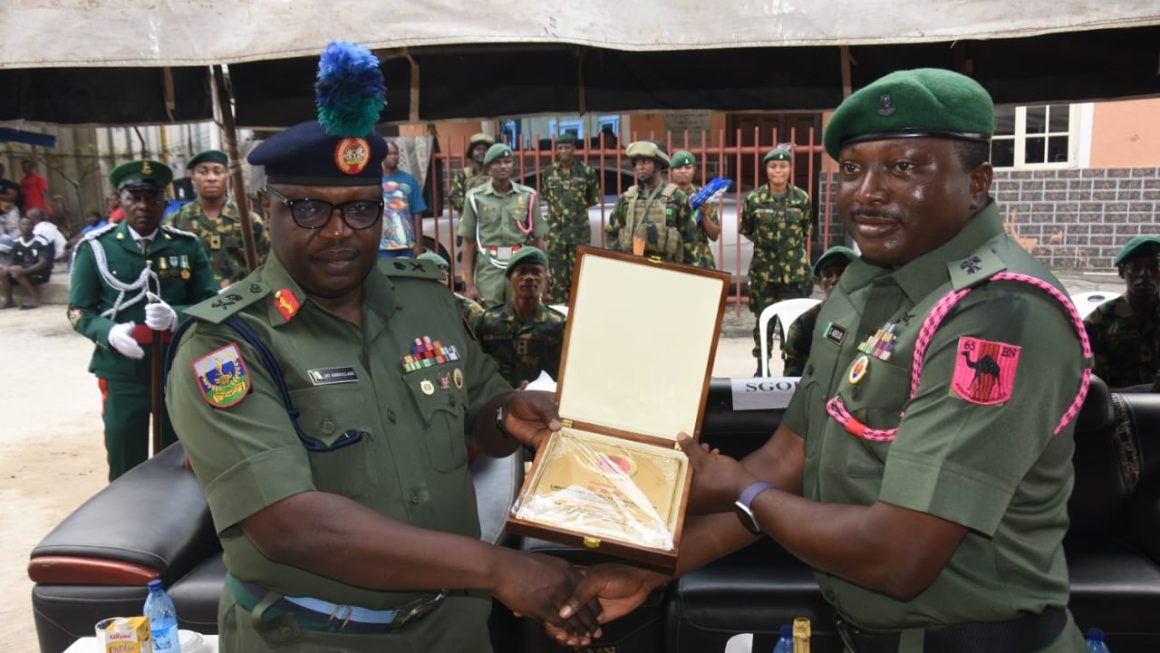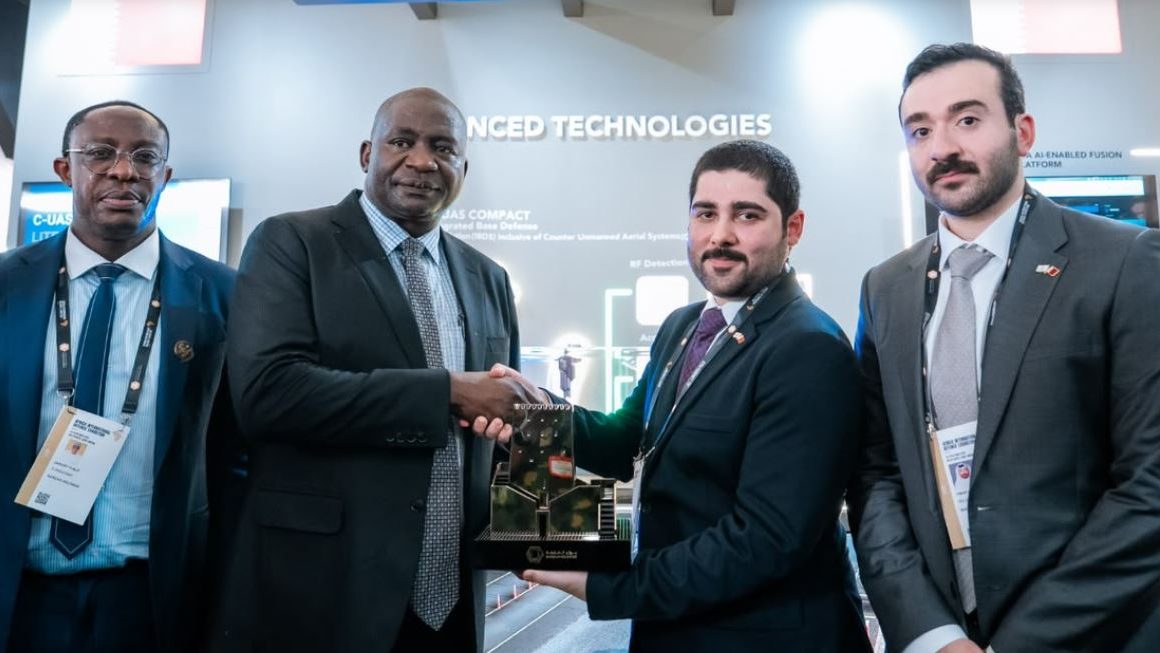









The Defence Industries Corporation of Nigeria (DICON), in collaboration with the UNICCON Group of companies, has conducted a live demonstration of an integrated drone detection and defence system, highlighting growing indigenous capacity within Nigeria’s defence industry.
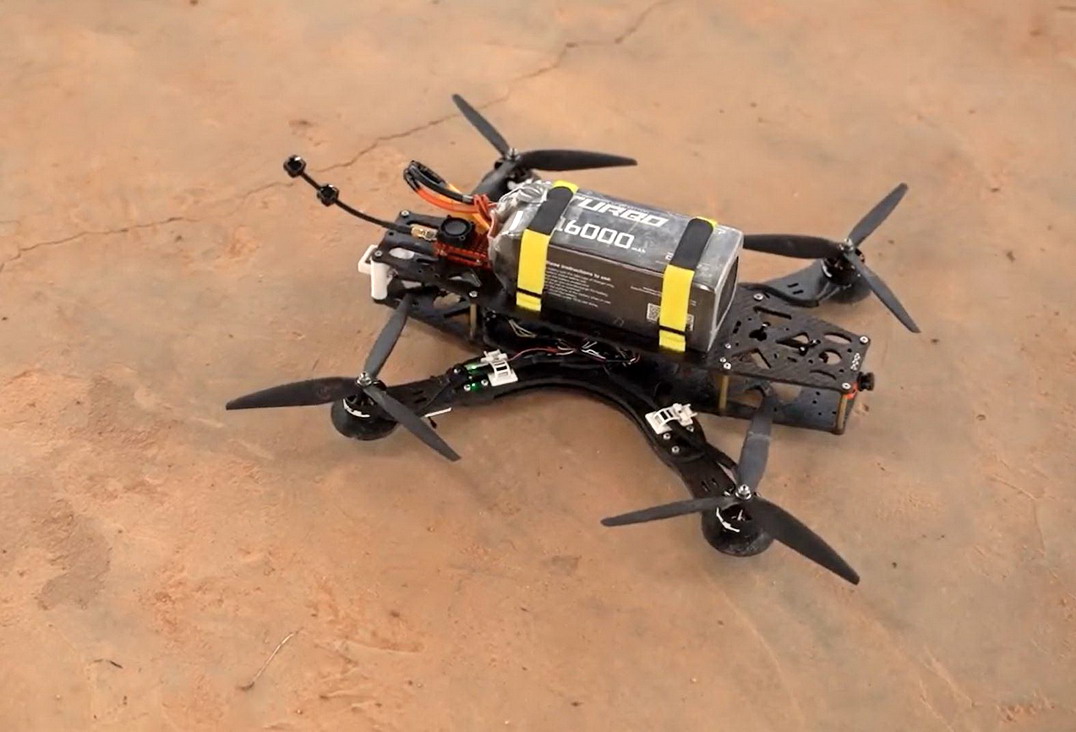
The demonstration, held at the Jaji Shooting Range in Kaduna recently, featured advanced unmanned and counter-unmanned aerial systems developed under the DICON–UNICCON partnership. It showcased the UNIKAM series of loitering munitions alongside a stationary drone detection, jamming and spoofing system designed to counter aerial threats.
According to UNICCON, the UNIKAM loitering munitions are capable of reaching speeds of over 200 kilometres per hour and are designed for precision engagement. The multi-rotor kamikaze UAVs have an operational range of between 8 and 15 kilometres, a flight endurance of 10 to 20 minutes, and a payload capacity of up to 2.5 kilogrammes. They can be operated autonomously, semi-autonomously or manually using first-person-view (FPV) goggles.
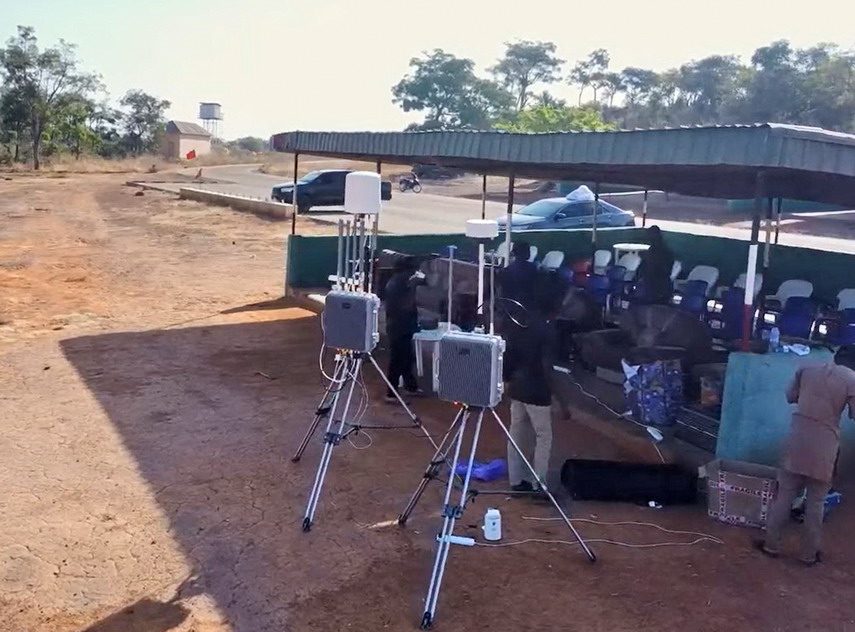
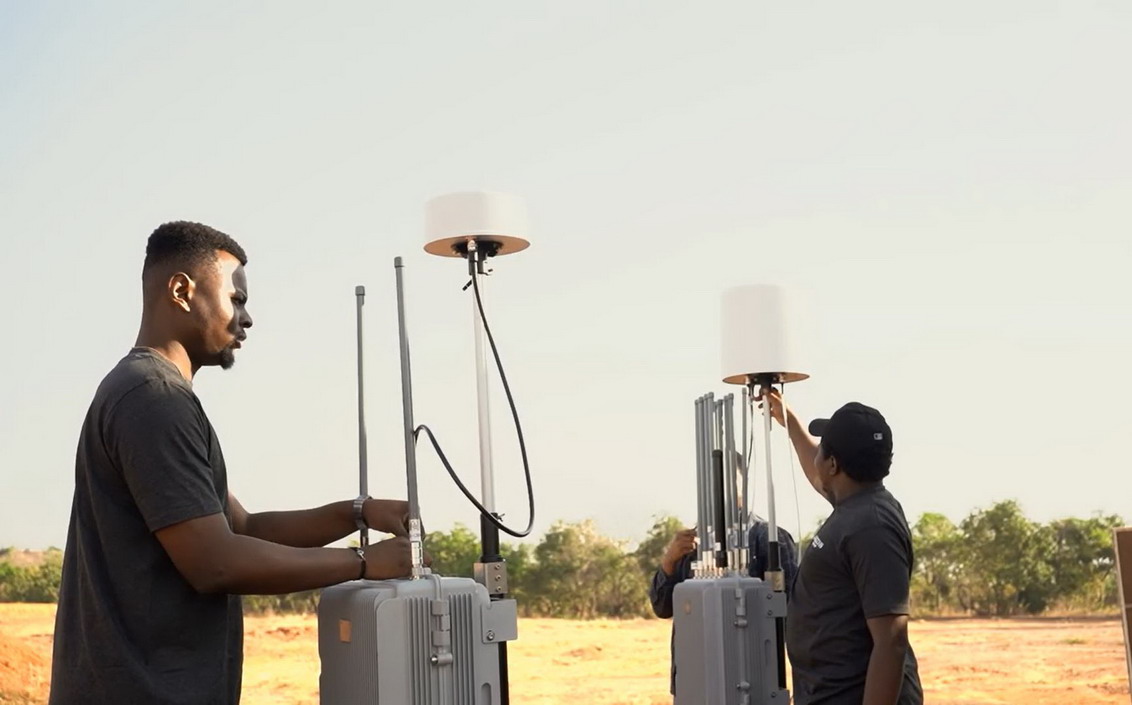
Also demonstrated was the Drone Jammer System (DJS – Stationary Type), which provides counter-UAV capabilities through real-time detection, tracking and electronic disruption. The system can simultaneously detect more than 40 unmanned aerial vehicles at distances of up to eight kilometres by monitoring communication frequencies ranging from 30 MHz to 6 GHz.
The system is capable of neutralising hostile drones through jamming of command-and-control, telemetry and navigation links across multiple frequency bands, including 900 MHz, 1.5 GHz, 2.4 GHz, 5.2 GHz and 5.8 GHz, within a three-kilometre radius. It also features spoofing capabilities that transmit false coordinates to hostile drones, effectively diverting them from intended targets. Additional features include 24-hour unattended operation, geofencing, and whitelist and blacklist functions to prevent interference with friendly UAVs.
UNICCON described the demonstration as a milestone in Africa’s pursuit of defence self-reliance. The company said the development reflects a shift from dependence on imported military hardware to the production of indigenous, high-specification tactical systems tailored to local operational realities.
As part of the exercise, a locally produced explosive and warhead was also detonated to demonstrate indigenous munition development. UNICCON said the test evaluated a high-energy composite munition designed for enhanced pressure build-up and energy confinement. During the demonstration, a 2.2-kilogramme warhead was detonated, producing an observed blast radius of about 200 metres and thermal output exceeding 250 degrees Celsius. The detonation was executed using a secure radio-frequency-based wireless remote system from a distance of 1.5 kilometres.
Speaking at the event, Chairman of the UNICCON Group, Professor Chuks Ekwueme, said the partnership with DICON was driven by the need to advance local defence technology in Nigeria.
“UNICCON Group is taking the bull by the horns in the area of indigenous technology development, and that was the motivation for forming a joint venture with DICON,” he said.
Professor Ekwueme noted that electronic warfare and counter-drone solutions have become central to modern conflict, stressing the importance of staying ahead of adversaries who increasingly deploy unmanned systems.
UNICCON operates in Nigeria and the United Kingdom, with interests spanning artificial intelligence, robotics, drone technology, telemedicine, enterprise software and education. Its subsidiaries include BabaSky, which focuses on UAV development, manufacturing, training and operations, and the DICON-UNICCON joint venture, which is dedicated to the development of advanced defence technologies.
Beyond loitering munitions, the company disclosed that work is ongoing on other custom and long-endurance unmanned aerial platforms, including fixed-wing drone systems, as part of efforts to further strengthen Nigeria’s indigenous defence capabilities.