







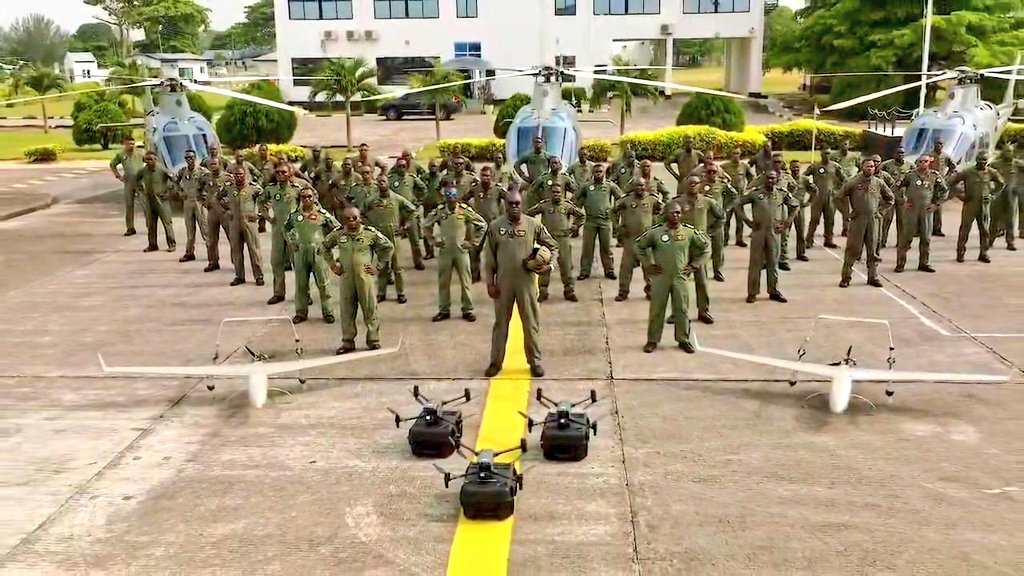
The Nigerian Navy Air Arm (NNAA) has recorded significant operational growth, transforming from a modest support unit into a modern rotary-wing combat force capable of sustained coastal and offshore surveillance operations.
This evolution has been driven by the strategic acquisition of advanced aerial platforms, including Leonardo A109 helicopters and unmanned aerial vehicles (UAVs), which have enhanced the Navy’s ability to monitor and secure Nigeria’s vast Exclusive Economic Zone (EEZ). Maritime security experts say these developments have strengthened Nigeria’s control over its coastal waters amid rising concerns over piracy, illegal fishing, crude oil theft and other transnational maritime crimes in the Gulf of Guinea.
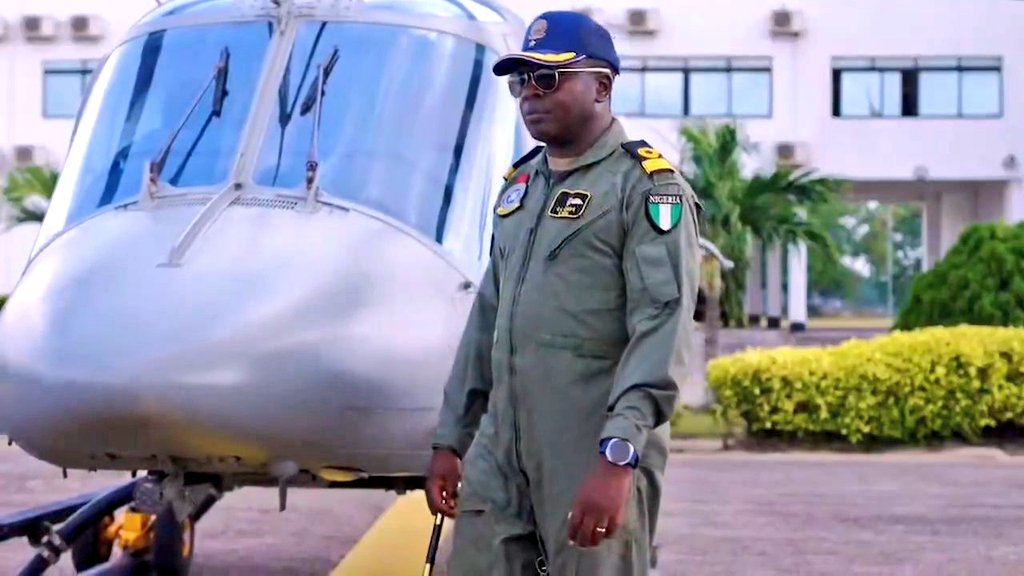
With assets such as the Leonardo A109 GrandNew and A109 Trekker helicopters, alongside Comstrac vertical take-off and landing (VTOL) drones and DJI Matrice UAVs, the NNAA now possesses improved intelligence, surveillance and reconnaissance (ISR) capabilities. These platforms allow for real-time monitoring, rapid response and extended patrol endurance over critical maritime corridors.
Military analysts note that the integration of UAV technology has been particularly impactful, enabling the Nigerian Navy to conduct persistent surveillance missions at lower operational costs while reducing risks to personnel. The drones complement manned platforms by providing early warning and target identification for naval surface units operating offshore.
READ ALSO: DICON, UNICCON Showcase Indigenous Drone Defence Capabilities at Jaji
Despite these achievements, stakeholders within the defence community have called for a further strategic shift in the role of the NNAA. They argue that the Air Arm should be transitioned from a primarily supporting element to a more robust “hunter-killer” force, capable of proactively detecting, tracking and neutralising maritime threats.
Such a transition, analysts say, would require the acquisition of additional combat-capable aerial platforms, enhanced weapons integration, and high-intensity training regimes tailored to modern maritime warfare. They also emphasise the importance of deepening defence partnerships with countries willing to supply critical assets without restrictive conditions.
“The Nigerian Navy Air Arm has laid a strong foundation, but the next phase must focus on offensive capability and operational dominance,” a security expert told Military News Nigeria. “This is essential for maintaining full control of Nigeria’s EEZ and protecting national economic interests.”
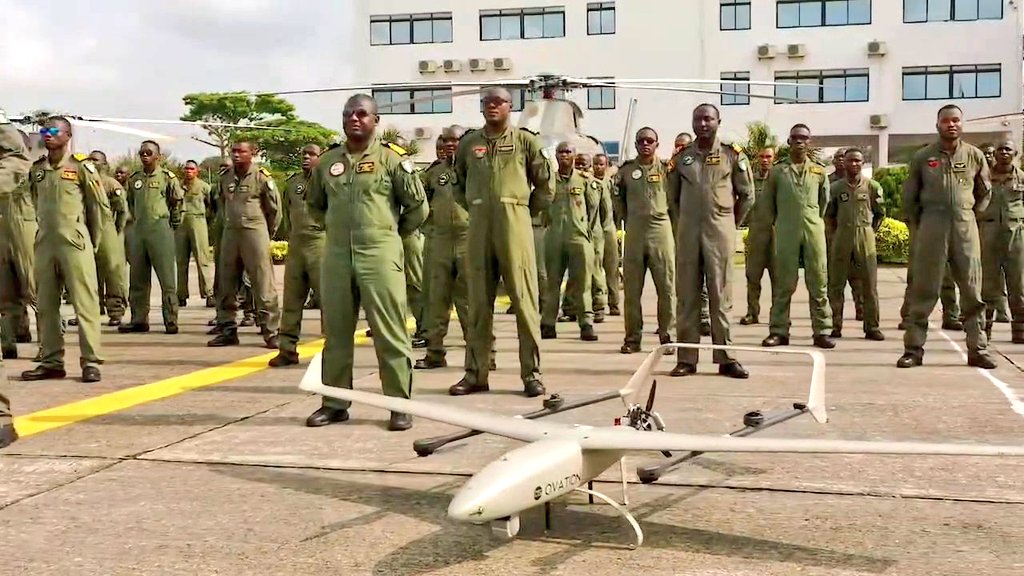
As Nigeria continues to position itself as a regional maritime security leader, the growing capabilities of the Nigerian Navy Air Arm are expected to play an increasingly central role in safeguarding the nation’s blue economy and ensuring maritime stability across its waters.