





Former Chief of Defence Staff, General Leo Irabor (rtd), has called on Nigeria’s emerging military commanders to broaden their approach to leadership by linking battlefield and operational decisions to the country’s wider national security objectives.
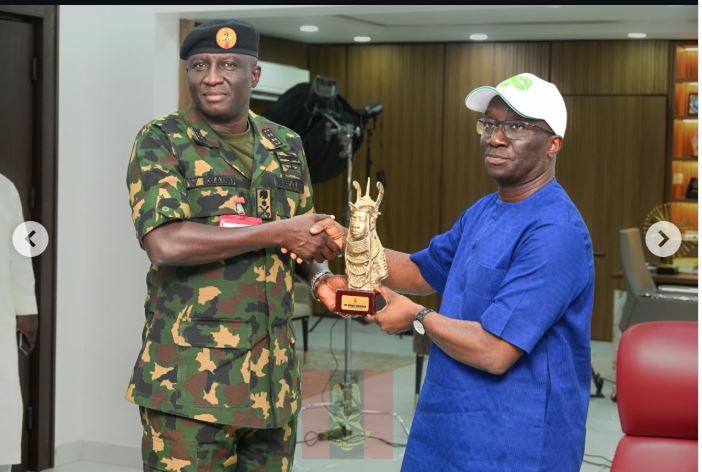
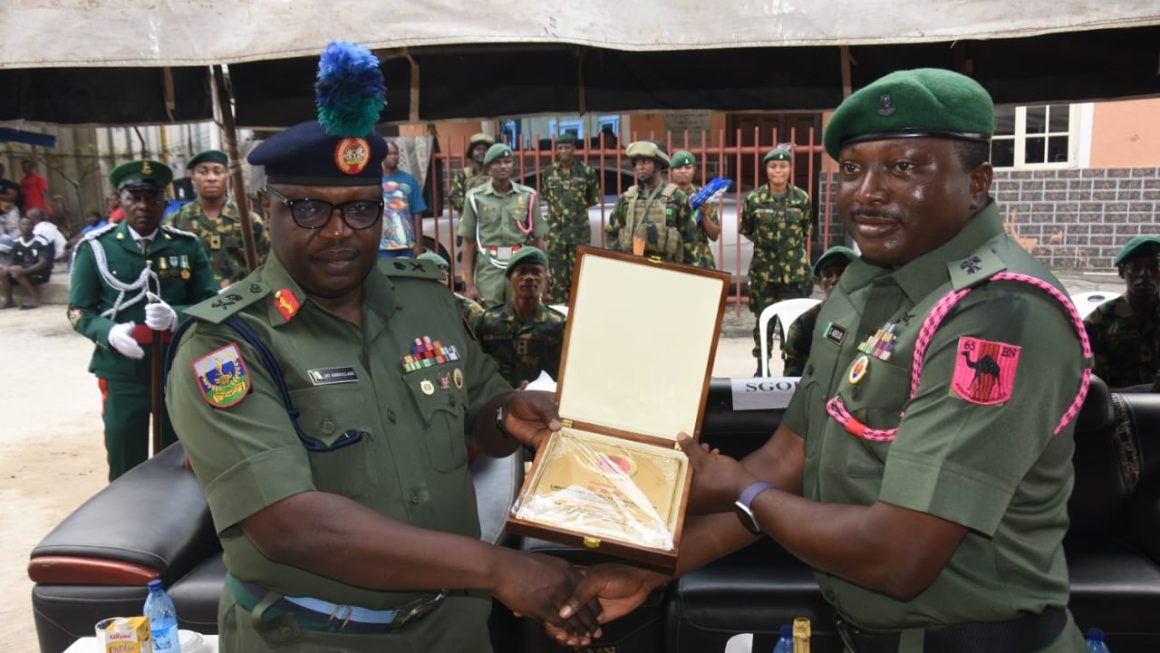
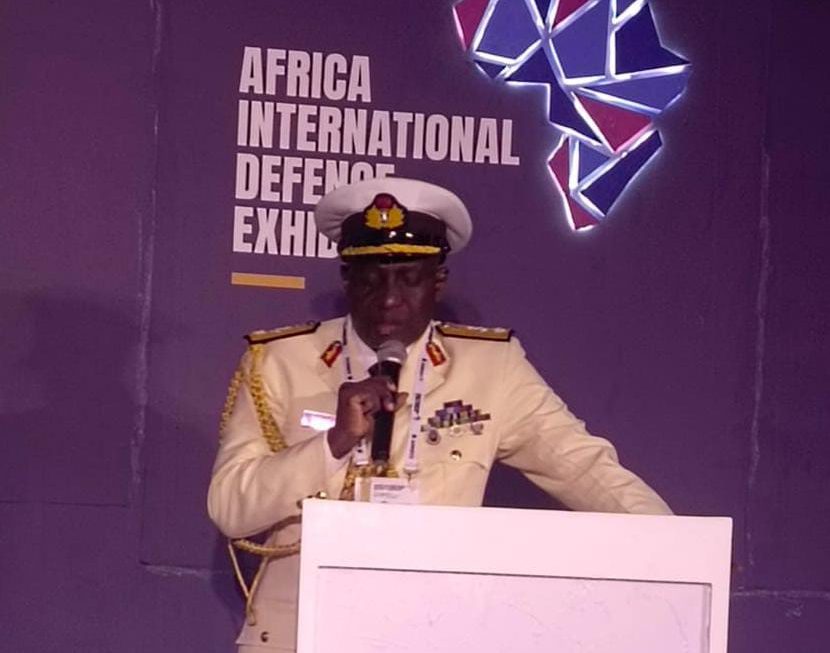
Irabor made the call while delivering the graduation lecture for participants of Air War Course 12/2026 at the Air Force War College Nigeria on Monday, September 14, 2026.
The lecture, titled “Strategic Mindset Shift for Operational Leaders: A General’s Conversation with Future Commanders,” focused on the changing responsibilities of military leaders in an increasingly complex security environment.
Rather than viewing operational success solely in terms of tactical achievements, Irabor urged the participants to consider the longer-term effects of military decisions on national security.
He said future commanders would need to understand how individual operations fit into broader national strategies and how military actions could be translated into sustainable security outcomes.
The retired general identified leadership evolution, institutional agility, multi-domain and multinational synergy, a whole-of-society approach to security, and resource stewardship as five critical areas requiring attention from future operational leaders.
He argued that contemporary security challenges could not be effectively addressed through rigid institutional structures or isolated military responses.
According to him, commanders must be prepared to adapt military institutions and capabilities to changing threats while building partnerships capable of delivering coordinated responses.
Irabor’s emphasis on multi-domain and multinational synergy also highlighted the growing importance of cooperation among military services, government institutions and international partners in addressing security challenges that increasingly transcend geographical and operational boundaries.

He further encouraged the participants to adopt a whole-of-society perspective to security, implying that the military’s role in national security must be complemented by the contributions of other institutions and stakeholders.
The former CDS also drew attention to resource stewardship, urging future commanders to make effective use of available resources in pursuit of clearly defined operational and strategic objectives.
The lecture formed part of the activities marking the completion of Air War Course 12/2026, designed to strengthen the professional and strategic capacities of participating officers.
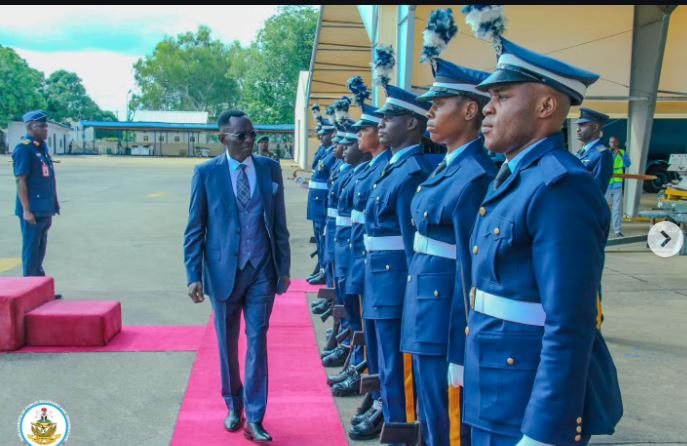
The Special Guest of Honour, Chief of the Air Staff, Air Marshal Sunday Kelvin Aneke, was represented at the event by the Air Officer Commanding Tactical Air Command, Air Vice Marshal M.C. Ekwueme.
The Chief of Air Intelligence, Headquarters Nigerian Air Force, Air Vice Marshal N.N. Ananaba, also attended the event alongside other senior serving and retired military officers.
In his response, the Commandant of the Air Force War College Nigeria, Air Vice Marshal G.A. Mbaka, thanked General Irabor for delivering the graduation lecture and sharing his experience with the participants.
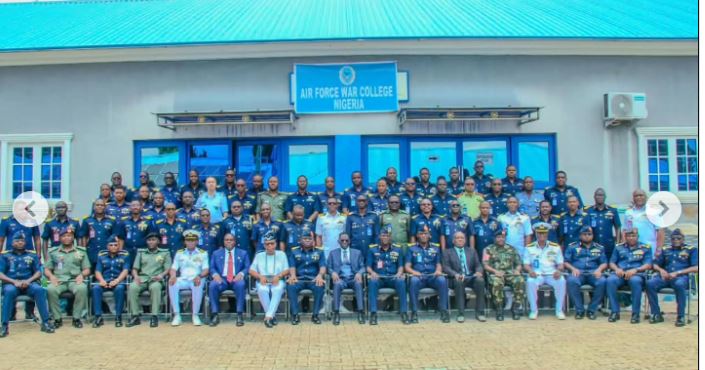
Mbaka said the course had exposed the officers to a range of experienced resource persons whose contributions had broadened their understanding of strategic leadership and contemporary security challenges.
He expressed confidence that the knowledge acquired during the course would strengthen the participants’ capacity to contribute to efforts aimed at addressing Nigeria’s security challenges and promoting peace and stability across Africa.
The graduation lecture ultimately placed strategic leadership at the centre of the preparation of future commanders, with emphasis on the ability to move from the successful execution of individual operations to understanding and achieving their broader national security implications.