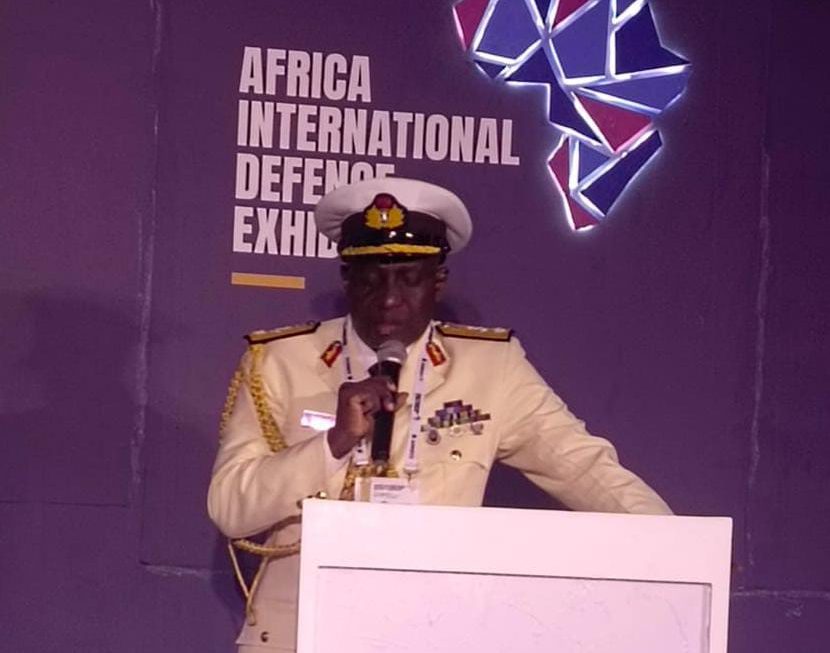








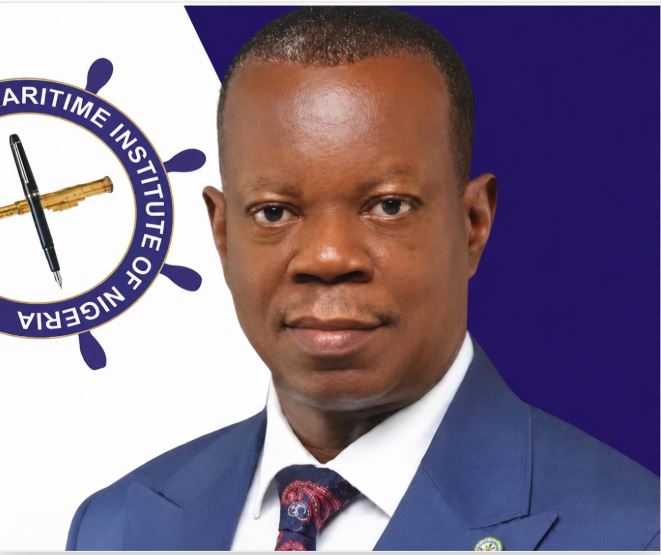
The International Maritime Institute of Nigeria (IMION) has stressed the need for increased investment in research, innovation and sustainable policies to harness the vast opportunities within the Blue Economy while protecting marine ecosystems and the environment.
The Director General of IMION, Dr Thaddeus Udofia, made the appeal in a statement marking the 2026 World Oceans Day celebration, observed globally on June 8.
Reflecting on this year’s theme, “Reimagine: Beyond the World We Know, A New Relationship with Our Ocean,” Udofia said the observance serves as a reminder that oceans are indispensable to human survival and economic development, requiring deliberate efforts to ensure their sustainability.
He noted that the oceans support biodiversity, global trade, food security and livelihoods for millions of people worldwide, making their protection a shared responsibility.
According to him, Nigeria’s maritime endowments, including more than 853 kilometres of coastline, extensive inland waterways and strategic positioning within the Gulf of Guinea, place the country in a strong position to benefit from the growing global Blue Economy.
He, however, warned that realizing these benefits would require significant investments in human capital, policy development, technological innovation and scientific research.
“As Africa continues to embrace the Blue Economy as a pathway to economic growth and diversification, the demand for skilled professionals, innovative solutions and evidence-based policies has become increasingly important,” he stated.
Udofia explained that the Nigerian Navy established IMION to serve as a specialised institution focused on research, training and policy advocacy aimed at strengthening the country’s maritime sector.
He said the institute is actively contributing to the development of expertise in areas such as maritime security, ocean governance, marine technology, climate resilience, transportation systems and sustainable resource management.
“Through strategic partnerships, research initiatives and capacity-building programmes, IMION is developing the institutional frameworks and professional expertise needed to support sustainable maritime development,” he said.
The IMION chief further linked the message of World Oceans Day to the recently commemorated World Environment Day 2026, themed “Inspired by Nature. For Climate. For Our Future.”
He observed that climate change continues to pose serious threats to marine ecosystems, coastal communities and national economies through rising sea levels, flooding, coastal erosion and biodiversity loss.
According to him, these challenges underscore the urgent need for stronger environmental governance and climate-responsive policies.
“For maritime nations such as Nigeria, protecting the environment and preserving ocean health are inseparable goals. Climate change directly impacts fisheries, maritime infrastructure, coastal settlements and overall economic productivity,” he said.
Udofia called on government agencies, private sector operators, academic institutions, development partners and local communities to work together in promoting climate resilience and sustainable maritime development.
He maintained that a well-developed Blue Economy has the potential to create jobs, stimulate economic growth, improve environmental stewardship and enhance social well-being.
The Director General reaffirmed IMION’s commitment to supporting Nigeria’s maritime aspirations through research, education, policy innovation and professional development.
He expressed optimism that sustained collaboration among stakeholders would help secure healthier oceans, stronger coastal communities and a more sustainable future for generations to come.
The statement highlights the growing recognition of the Blue Economy as a critical component of Nigeria’s economic diversification strategy and a key driver of sustainable development in the maritime sector.