






Nigeria’s expanding military engagements across multiple internal and regional fronts have fueled a sharp rise in arms imports, with the country emerging as the largest weapons buyer in sub-Saharan Africa.
A new report by the Stockholm International Peace Research Institute (SIPRI) shows that Nigeria, alongside Senegal and Mali, now leads the region in defence acquisitions as governments respond to insurgency, terrorism and growing instability.
According to the report, arms imports into sub-Saharan Africa increased by 13 per cent between 2016–2020 and 2021–2025, despite an overall 41 per cent decline in arms imports across the African continent.
Nigeria’s multi-front wars drive procurement
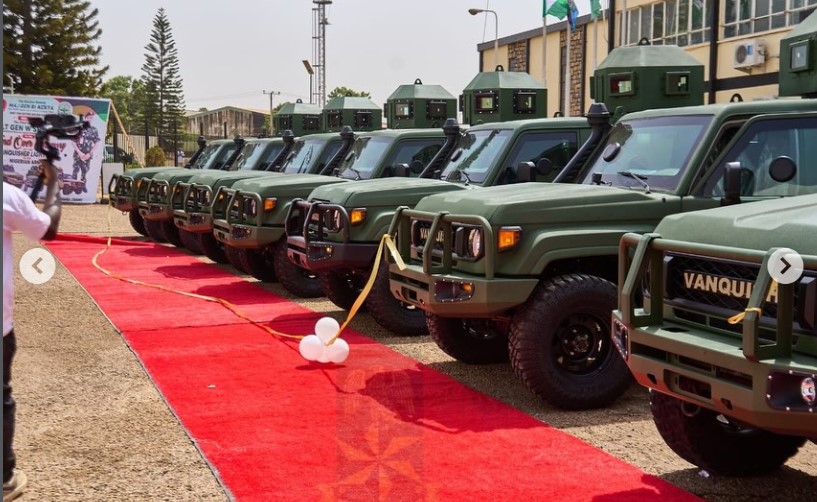
Nigeria accounted for 16 per cent of total arms imports in sub-Saharan Africa, reflecting intensified military spending as its armed forces confront a range of security threats, including insurgency in the North-East, banditry in the North-West, and maritime insecurity in the Gulf of Guinea.
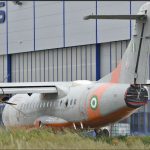
The country’s growing defence needs have led to major acquisitions aimed at boosting air power and operational effectiveness.
About six months ago, the United States Department of State approved a $346 million arms sale to Nigeria, including precision-guided bombs and rockets, with contracts involving leading defence firms such as Lockheed Martin, RTX Corporation and BAE Systems.
In addition, Nigeria signed a €1.2 billion agreement with Leonardo for 24 M-346FA fighter aircraft, while also acquiring 12 AH-1Z Viper attack helicopters from the United States and 10 AW-109 Trekker helicopters from Italy.
The Nigerian military has also deployed Bayraktar TB2 drones sourced from Türkiye to support counter-insurgency operations, underscoring a shift towards modern, technology-driven warfare.
Senegal, Mali ramp up defence spending
Senegal ranked second among sub-Saharan African arms importers, accounting for 8.8 per cent of total imports, as it moves to strengthen its military capabilities amid instability in the Sahel region.
The country has procured armoured personnel carriers and offshore patrol vessels to enhance maritime security and safeguard offshore energy assets. In 2025, Senegal approved a €317 million defence agreement with a Turkish supplier to improve operational readiness, while also establishing its first military vehicle assembly plant in Diamniadio.
Mali, ranked third with about 8 per cent of regional imports, has significantly expanded its military partnerships, particularly with Russia and China, as it battles insurgent groups and seeks to rebuild its armed forces.
The country has acquired combat aircraft, attack helicopters, tanks and armoured vehicles, alongside advanced drone systems to strengthen surveillance and strike capabilities.
Conflicts reshape Africa’s arms market
Ongoing conflicts across the continent continue to influence arms flows, including the Sudan civil war (2023–present), which has seen both sides procure weapons from multiple foreign suppliers.
SIPRI noted that tracking arms transfers into active conflict zones remains challenging due to the secrecy surrounding many defence deals.
The report also highlights shifting geopolitical dynamics in Africa’s defence sector, with China emerging as the largest arms supplier to sub-Saharan Africa, accounting for 22 per cent of imports.
Russia follows with 12 per cent, while Türkiye accounts for 11 per cent, reflecting increasing competition among global powers seeking strategic influence across the continent.
Rising militarisation amid insecurity
Analysts say the surge in arms imports underscores the growing militarisation of sub-Saharan Africa, driven largely by internal conflicts rather than traditional interstate rivalries.
For Nigeria in particular, its expanding procurement reflects the complexity of fighting multiple wars simultaneously—ranging from counterterrorism to anti-banditry and maritime security—placing sustained pressure on defence resources and shaping the country’s long-term military strategy.