


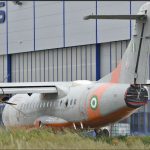
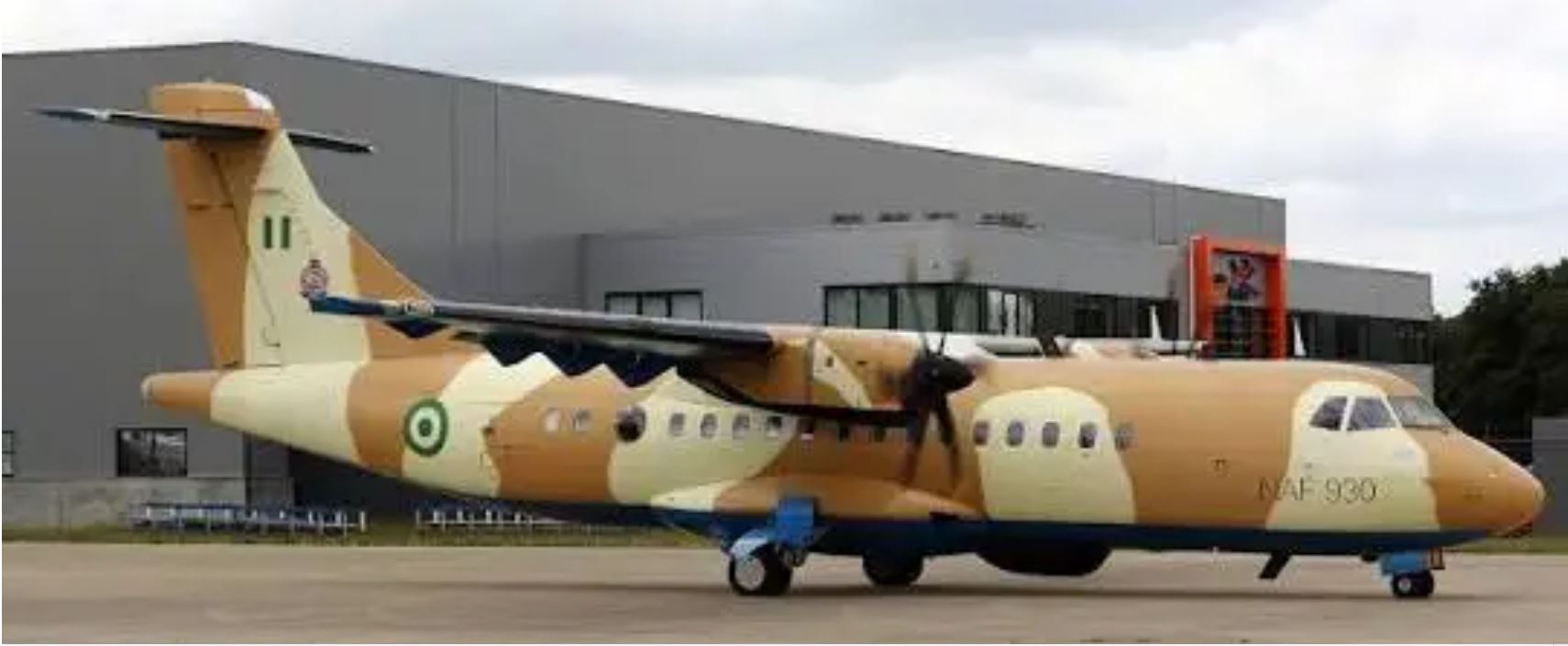
The concern over military aviation safety has become more urgent following the October 5, 2026, crash of a Nigerian Air Force ATR-42 aircraft in the Igbokoda area of Ondo State. The aircraft was on a routine mission from Benin City to Lagos when it crashed. President Bola Tinubu ordered a thorough investigation, and the Air Force subsequently established a 12-member Aircraft Accident Investigation Board.
The latest tragedy has revived memories of previous accidents involving different aircraft and missions. In 2022, a Super Mushshak training aircraft crashed in Kaduna, killing two pilots. In August 2023, a Mi-171 helicopter crashed during a casualty evacuation mission in Niger State, killing 11 people. Other incidents have involved training aircraft, combat aircraft and helicopters.
These accidents did not necessarily share the same cause. Some occurred during training or operational missions, while others involved different circumstances. Their significance lies not in proving a single explanation, but in highlighting the need for a systematic examination of safety across military aviation.
Training, fatigue and the human factor
Pilots are highly trained professionals, but they are not immune to human limitations. Fatigue, stress, workload, communication failures and difficult decisions under pressure can affect performance, even among experienced aviators.
Military personnel may face demanding schedules, especially during periods of heightened security operations. If flying hours, rest periods and training requirements are not properly managed, fatigue can become a safety concern.
Training is equally important for engineers, ground crews, air traffic personnel and commanders responsible for operational decisions. A strong safety culture requires personnel at every level to report defects, question unsafe instructions and follow established procedures without fear of punishment for raising legitimate concerns.
Nevertheless, human error should not become a convenient explanation that ends an investigation. Investigators must determine whether procedures were adequate, training was sufficient, equipment functioned correctly and organisational decisions contributed to the circumstances surrounding an accident.
Funding, spare parts and accountability
The condition of Nigeria’s military aircraft cannot be separated from the resources devoted to keeping them airworthy.
Military aviation requires sustained investment in maintenance facilities, specialist personnel, spare parts, technical training and fleet modernisation. Procurement alone is insufficient: acquiring aircraft without providing for their long-term maintenance creates a potentially expensive and dangerous problem.
On October 13, 2026, Nigeria’s Senate moved to investigate funding for military aircraft maintenance and called for a comprehensive review of fleet airworthiness. The move reflects growing concern about whether maintenance budgets, aircraft condition and operational safety standards are receiving adequate attention.
The investigation should examine how maintenance funds are allocated and spent, whether essential components are readily available, and whether aircraft are being operated within approved technical limits. It should also assess the processes for grounding aircraft with unresolved safety defects.
However, the existence of a funding debate does not prove that inadequate funding caused the Igbokoda crash. That conclusion must follow evidence, not political pressure or public suspicion.
What must change?
First, the Air Force should ensure that every serious accident receives a technically rigorous and independent-minded investigation, with findings communicated to the public to the extent permitted by national security.
Second, the government should support comprehensive airworthiness audits covering aircraft condition, maintenance records, engine performance, component replacement schedules and recurring technical defects. Aircraft that fail required safety checks should remain grounded until cleared by qualified personnel.
Third, funding must cover the entire life cycle of military aircraft, rather than focusing mainly on acquisition. Investments in modern diagnostic equipment, maintenance infrastructure and specialist training are essential.
Fourth, the Air Force should strengthen fatigue management, safety reporting and training across its aviation units. Lessons from accidents must be shared throughout the service so that a defect or procedural weakness identified in one unit does not remain uncorrected elsewhere.
Finally, bereaved families deserve timely communication, humane treatment and appropriate support. Transparency is not merely a public-relations exercise; it is an important part of institutional accountability.
Beyond the wreckage
Why, then, are NAF planes falling from the skies? The honest answer is that no single cause can explain every crash. Mechanical failure, maintenance deficiencies, human factors, operational pressures and environmental conditions are all possibilities that must be examined in the context of individual incidents.
The immediate priority is to establish what happened in Igbokoda. The broader responsibility is to examine whether Nigeria’s military aviation safety systems are strong enough to prevent similar tragedies.
Every aircraft lost represents more than financial damage. It may mean the loss of experienced personnel, a reduction in operational capability and profound suffering for families who may wait months for answers.
The Nigerian Air Force has a vital responsibility to protect the country. Protecting the lives of the men and women entrusted with that mission must be an inseparable part of its duty.
The true measure of the investigations now under way will not be the number of statements issued or committees constituted. It will be whether the findings lead to meaningful reforms, enforceable safety standards and fewer preventable deaths.
Nigeria cannot afford to treat another aircraft crash as an isolated tragedy and simply move on. The country needs answers, accountability and a demonstrable commitment to ensuring that those who take to the skies in its service have every reasonable protection that professional military aviation can provide.